Review: Love on the Turquoise Land (2025) 枭起青壤
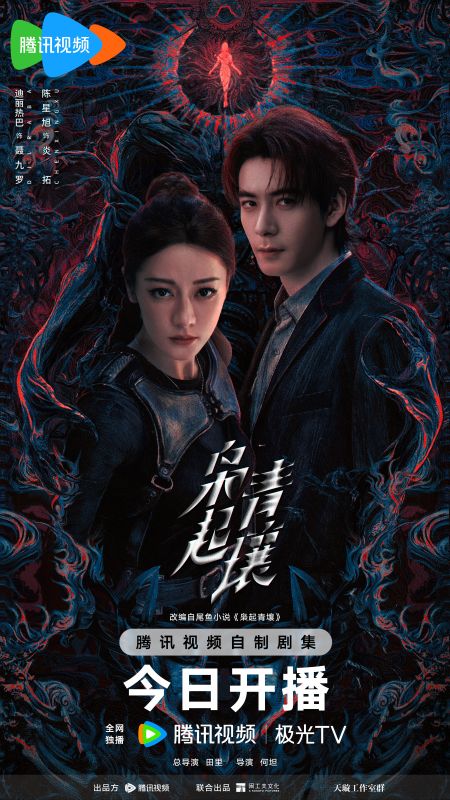
Summary: In ancient times, aliens descended upon the earth in the form of meat-eating monsters called Di Xiao. A small group of humans, known as the Nan Shan hunters, formed an alliance and forced the Di Xiao underground. For thousands of years, the Di Xiao and the Nan Shan hunters have been waging a secret war over dominance on land. In modern times, Nie Jiu Luo (ft Dilraba Dilmurat) is a renowned sculptor but has ties to the Nan Shan Hunters. Yan Tuo (ft Chen Xing Xu) is trying to solve the mysteries surrounding his adoptive mother Lin Xi Rou (ft Zhang Li). Yan Tuo clashes with Nie Jiu Luo but then comes to realize that she might hold the key to unlocking the mysteries about his family.
Warning: Violence and blood
Platform: Tencent
Episodes: 32
Initial Air Date: Nov 22, 2025
Rating: 7.0/10 – An earnest adaptation anchored by strong performances from Dilraba and Chen Xing Xu. Striking cinematography and well-choreographed fight scenes stand out, but heavy cuts to key moments hurt the pacing and ultimately limit the drama’s impact.

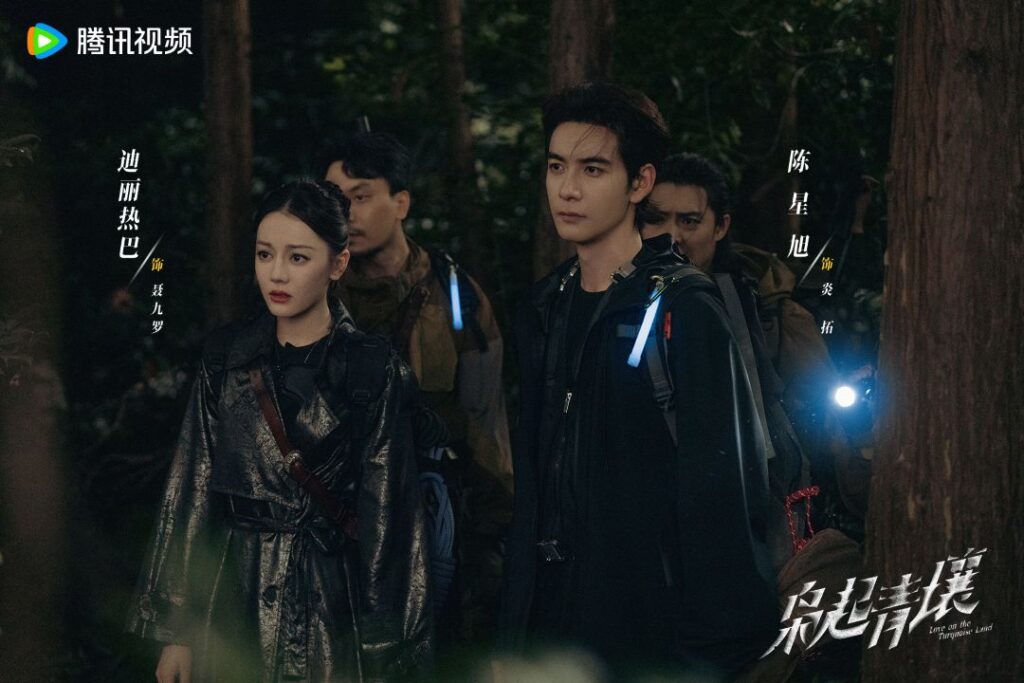
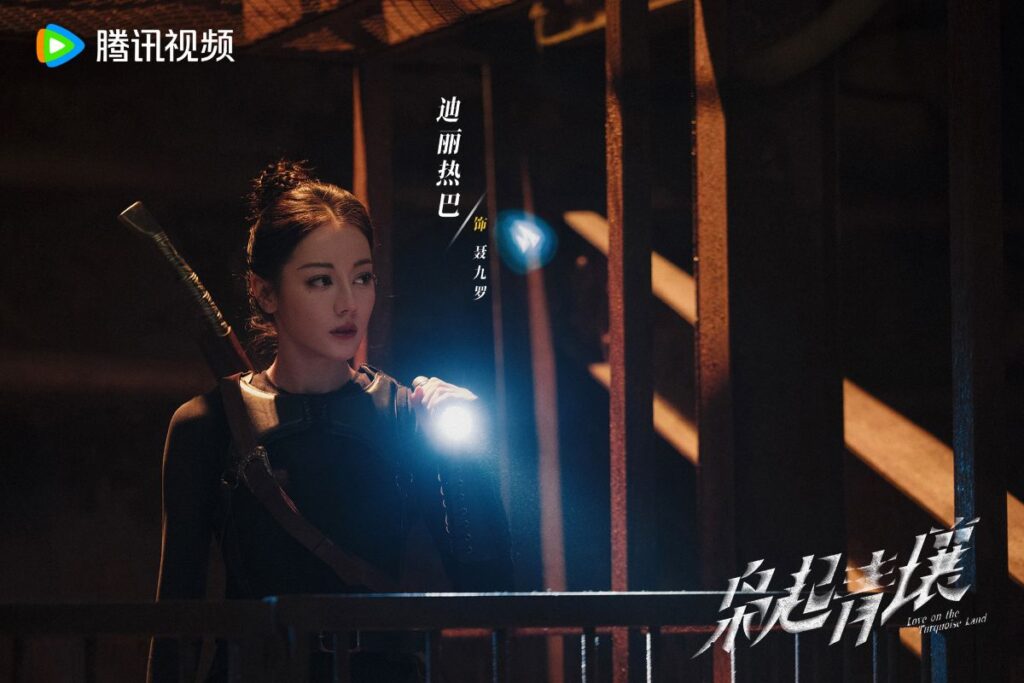
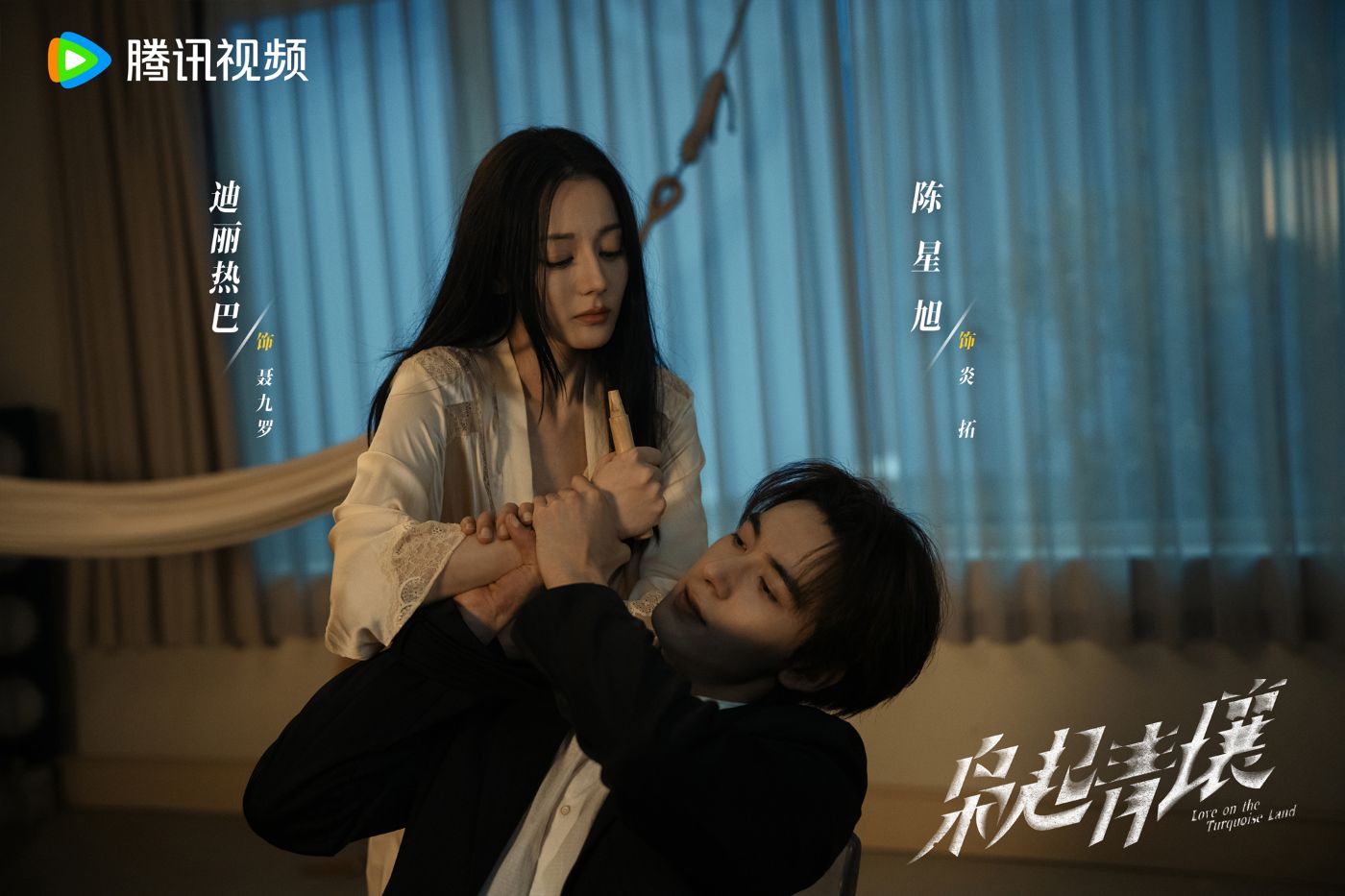
Nie Jiu Luo 聂九罗 Dilraba Dilmurat 迪丽热巴
Up and coming sculptor, code name Crazy Sword with the Nan Shan Hunters
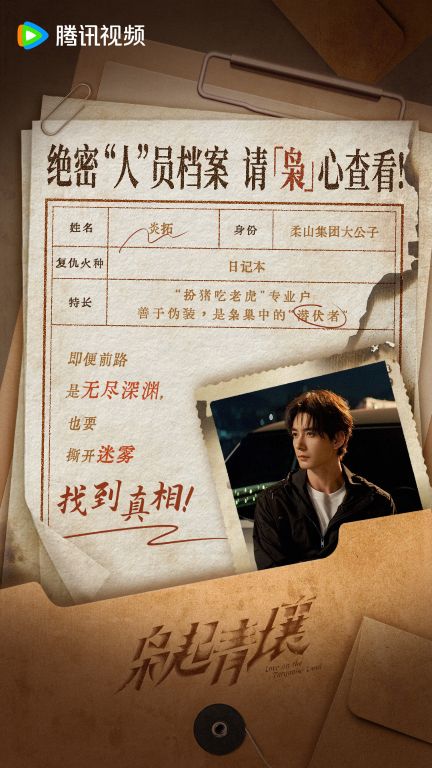
Yan Tuo 炎拓 Chen Xing Xu 陈星旭
Wealthy businessman who's trying to uncover the secrets of the woman who adopted him
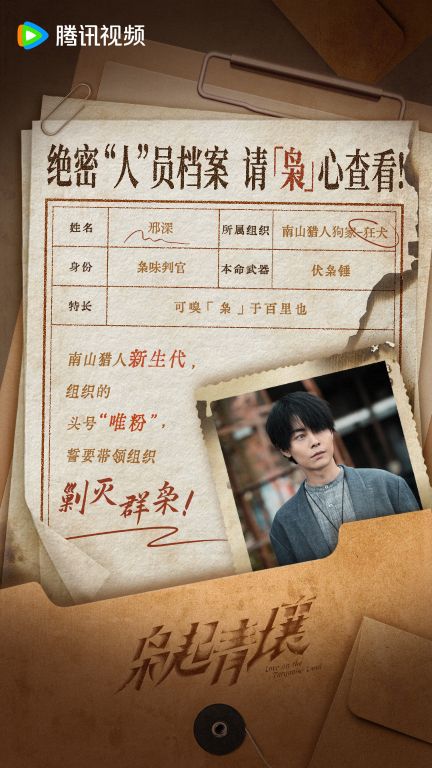
Xing Shen 邢深 Dong Chang 董畅
Code name "Mad Dog", he is extremely devoted to the Nan Shan hunters
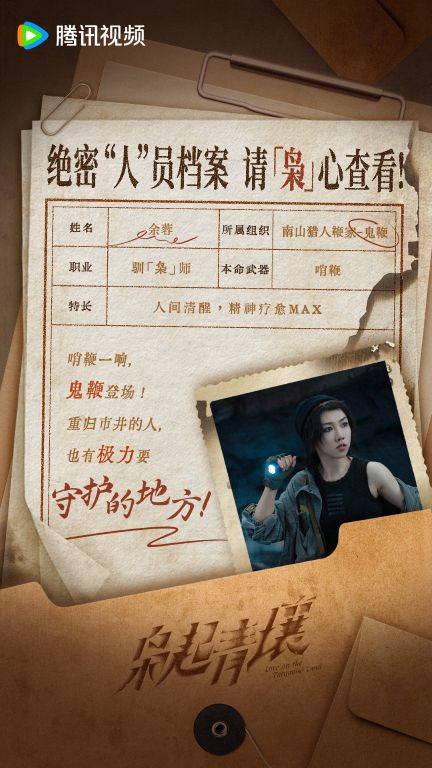
Yu Rong 余蓉 Yan Zhuo Ling 颜卓灵
Code Name "Ghost Whip", she returns to the Nan Shan hunters to complete her mission
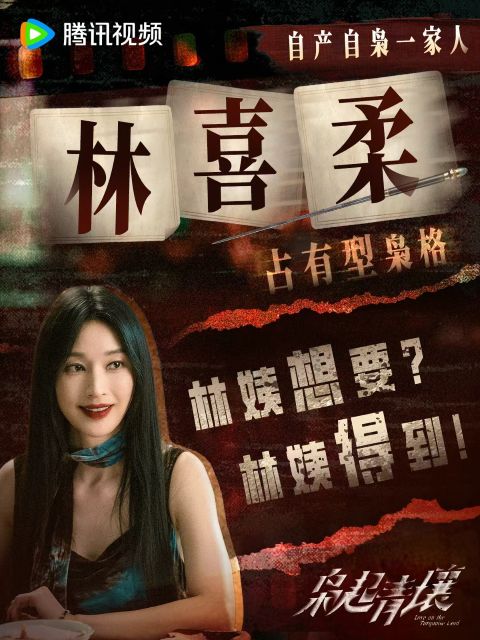
Lin Xi Rou 林喜柔 Zhang Li 张俪
The CEO of the Rou Shan Enterprise with a dark secret
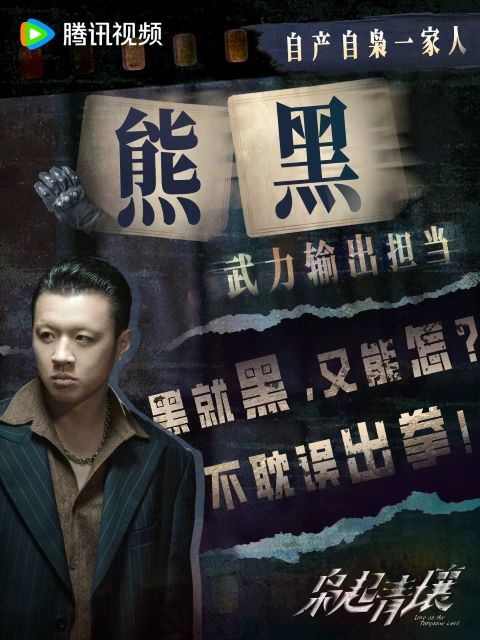
Xiong Hei 熊黑 Su Xin 苏鑫
Loyal henchman of Lin Xi Rou
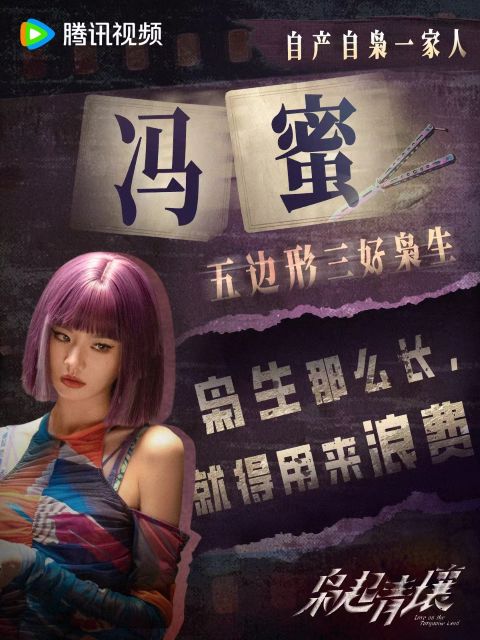
Feng Mi 冯蜜 Pan Mei Ye 潘美烨
Fellow brethren of Lin Xi Rou and Xiong Hei who has a softer side to her
Overall Thoughts
This modern supernatural drama marks another adaptation of Wei Yu’s work, following Seven Relics of Ill Omen earlier this year. As with her previous stories, Wei Yu draws heavily from Chinese mythology and folklore. In the original novel, the world is shaped by Chinese Goddess Nu Wa, who creates both humans and the Di Xiao beings who dwell underground and possess long life. While humans live under the sun, the Di Xiao rule the shadows, and the conflict between humans and Di Xiao spans millennia. During the Qin dynasty, Emperor Qin Shi Huang dispatches the Chan Tou army to uncover the Di Xiao’s secrets of immortality. Though the mission fails, the army’s descendants continue the hidden war across generations. Three families emerge: the Gou family, tasked with tracking Di Xiao; the Bian family, responsible for restraining them; and the Dao family, capable of killing them. In modern times, as the Di Xiao find new ways to infiltrate human society, the Nan Shan Hunters must rise to confront them.
For the drama adaptation, however, heavy revisions were made to sidestep overt mythological references. The Di Xiao are reimagined as extraterrestrial beings rather than creations of ancient legend, a change that noticeably alters the story’s mythic weight.
As a fan of both Wei Yu and Dilraba, I approached this drama with high expectations. Dilraba shines as Nie Jiu Luo, delivering strong emotional beats and impressive action sequences, and her chemistry with Chen Xing Xu is a consistent highlight. She commands attention whenever she appears on screen, supported by a cast that largely turns in solid performances across the board. It’s clear that the production team put genuine care into building this world and adapting the source material within the constraints they faced.
This is not a typical “爽剧” (wish-fulfillment power fantasy drama) where protagonists effortlessly overpower their enemies. Instead, the drama opts for a slower burn, emphasizing vulnerability. Its leads are ordinary humans facing enemies far stronger than themselves, and death is always a real possibility. That said, the pacing can feel sluggish, and extensive cuts to key scenes make the narrative difficult to follow without revisiting episodes.
From a performance standpoint, the drama underwhelmed, failing to surpass the 28,000 mark on Tencent. Interestingly, it still attracted unusually strong in-show advertising, suggesting a smaller but high-spending audience. Its rise on piracy platforms further hints at quiet popularity beyond official metrics. Tencent is slowly rolling this drama worldwide including Netflix in some territories. I hope I get to see this on Netflix in the US.
While it may not have lived up to expectations commercially, this remains a worthwhile watch for viewers looking to step away from conventional romance and family dramas. With its modern setting, supernatural elements, restrained romance, and well-executed fight scenes, it offers something refreshingly different within the current drama landscape.
What I Liked
- Dilraba Dilmurat as Nie Jiu Luo: Dilraba delivers a career-highlight performance as Nie Jiu Luo, a cold, striking, and proudly aloof sculptor haunted by childhood trauma and her secret identity as the “Crazy Sword.” The role demands a wide emotional range, and Dilraba fully disappears into the character, moving seamlessly from ferocious combat to quiet, introspective moments. One scene in particular left a lasting impression: Nie Jiu Luo, gravely wounded, trembles and sweats as she fights to remain conscious. Dilraba’s performance is visceral and restrained. She never raises her voice, yet the pain feels almost physical, and Nie Jiu Luo’s resilience shines through. This drama also showcases Dilraba’s beauty in a way few others have, but it never overwhelms the character. Her screen presence is commanding, magnetic, and impossible to ignore. This portrayal is a complete departure from her role as Deng Yan in Sword Rose, and with two standout performances this year, she continues to prove her range and momentum.
- Stronger Supporting Characters and Development: As the drama aired, several supporting characters unexpectedly surged in popularity, including Xiong Hei, Lin Ling, Feng Mi, and Lu Xian. The series smartly expands their screen time, transforming them into fully realized, three-dimensional characters with agency while staying within the story’s broader framework. The director clearly enjoys wordplay and visual puns, injecting moments of humor and personality throughout. Xiong Hei, in particular, became a fan favorite: a scary henchman in the novel, he’s reimagined here as a girl-group-obsessed fan, essentially a stand-in for modern idol fandom, which adds charm and levity without undercutting the stakes.
- Hard-Hitting, Visceral Fight Scenes: This drama features some of the most brutal and grounded action sequences of the year. Set in the modern world, the fights (mostly) obey real-world physics. Gravity, speed, and exhaustion all matter. The first-episode showdown between Nie Jiu Luo and Xiong Hei is a standout (go watch it): two seasoned fighters trading blows with lethal intent, using their surroundings to gain any advantage. Every strike looks and feels painful with each punch landing with real impact. There’s no stylized slow motion, no balletic choreography, and none of the glossy flair of classic Hong Kong action cinema. The Nan Shan Hunters are human, not invincible, and every fight carries genuine risk. Surprisingly for a Chinese drama, the action is also unapologetically bloody, reinforcing the danger of each confrontation.
- Grounded World-Building: Di Xiao and the Nan Shan Hunters: Despite featuring man-eating monsters and specialized hunters, the world-building remains deliberately intimate and localized. The narrative focuses on a small group of characters, gradually layering their mythology as the story unfolds. Mysteries are not handed to the audience; they require patience, mirroring the characters’ own slow discovery of the truth. Both the Di Xiao and the Nan Shan Hunters maintain aliases and mundane day jobs, blending seamlessly into modern society. Some viewers questioned why the hunters appear so weak for much of the story, but this is intentional. They are initially unaware of how deeply the Di Xiao have adapted to the modern world. The audience learns alongside them. I’ll also implore viewers to not nitpick on every world breaking scene. Some were asking why wasn’t the government involved or why weren’t guns more prevalent. There are real world implications and perhaps some censorship so just go with this flow. This is a story about fighting against the odds based a simple belief. There are sacrifices and the payoff might not be satisfying.
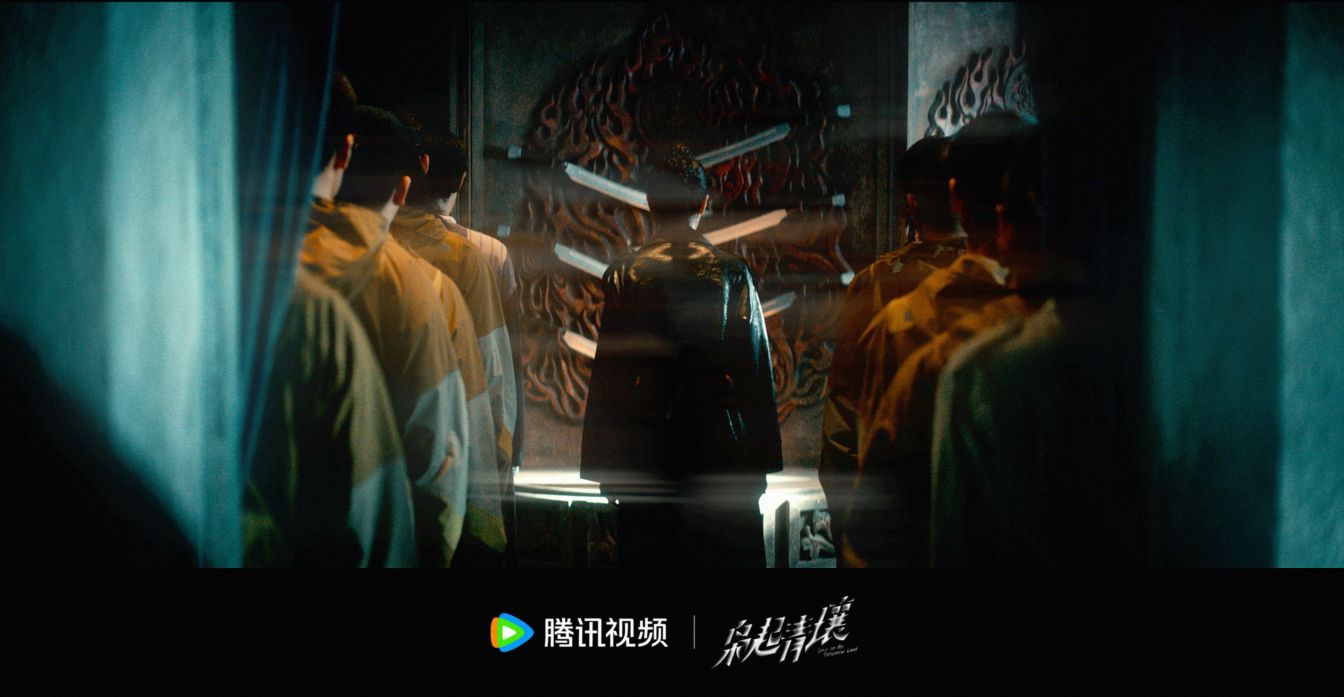
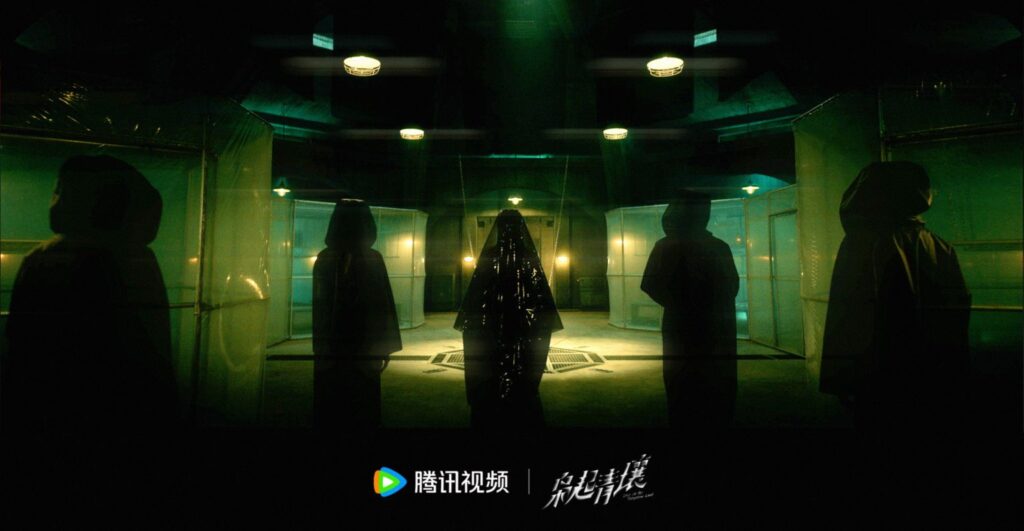
- Stunning Cinematography and Meticulous Craft: Visually and aurally, the drama is a feast. Rare for a modern series, it pays close attention to lighting, color palettes, and camera movement. The warm tones of Nie Jiu Luo’s home sharply contrast with the oppressive darkness of Lin Xi Rou’s mansion, visually reinforcing character psychology. Blocking feels deliberate yet natural, and long takes are used effectively to establish mood and tension. Transitions are handled with care, and both sets and costumes reflect a high level of detail and intentionality. Filmed largely on location with minimal reliance on CGI backdrops, the world feels lived-in and authentic. In an industry where artificial sets often break immersion, this production’s commitment to realism is both refreshing and commendable.
What Didn't Work
- Style Over Story Momentum: While the drama’s cinematography is undeniably impressive, it often prioritizes mood-setting over narrative progression. Lingering shots and atmospheric sequences are effective in moderation, but their frequent overuse slows the pacing and undercuts dramatic momentum. What works beautifully in select moments becomes a hindrance when it repeatedly interrupts the forward drive of the story.
- Abrupt Climaxes Undermined by Heavy Editing: Several major set pieces suffer from noticeable cuts, particularly in at least two climactic episodes where behind-the-scenes footage confirms that more was filmed than what ultimately aired. The resulting scenes end abruptly, robbing them of emotional and narrative payoff. Instead of a satisfying culmination, these moments feel like tasting only the appetizer rather than the full course. This issue is especially pronounced in the second half of the drama, where extensive edits, likely due to content restrictions, leave the buildup far more substantial than the resolution. The intention to tell a complete story is evident, but the audience is left with the sense that only about 80% of it made it to screen.
- Key elements left unexplained: The drama also assumes a level of patience and interpretive effort that many viewers may not have. Important details are often conveyed through lingering shots and ominous music rather than clear exposition. As a result, crucial elements such as the secrets of the Nan Shan Hunters, the logic behind Nie Jiu Luo’s fighting choices, and even the operational rules of the Di Xiao remain opaque. While dedicated fans have filled in the gaps through analyses and videos, the average viewer is unlikely to do the same. The story would have benefited from reallocating some of its atmospheric screen time to straightforward explanations delivered in plain terms.
- An Overbearing Supporting Character: Xing Shen is another sticking point. As a fervent loyalist to the Nan Shan Hunters, his arrogance and blind devotion quickly become grating. He frequently makes unilateral decisions without consulting others, often at the cost of his allies’ lives. While this trait existed in the novel, the adaptation amplifies it by giving him significantly more screen time. The actor does solid work, but the character’s overexposure makes him less compelling and more frustrating than intended.
- Questionable timelines for recovery: For a series that invests heavily in world-building, the treatment of injuries strains credibility. Characters routinely survive near-fatal wounds and return to action with astonishing speed. In the novel, recovery took months and was narratively accounted for; here, time compression leads to recoveries that defy both logic and science. Simple solutions such as recovery montages intercut with ongoing missions could have preserved realism without slowing the plot. Instead, the rapid turnarounds remain distracting.