Review: The Old Story of Yu Hong (2026) 余红旧事
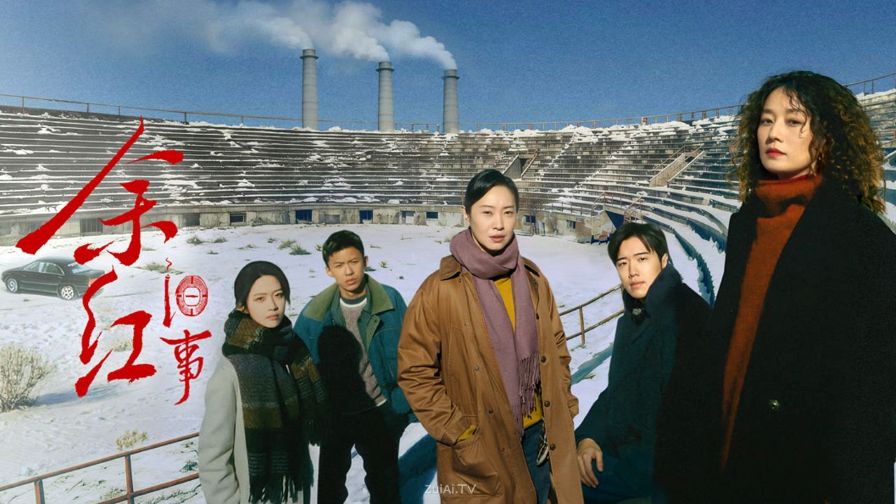
Summary: In a declining industrial town in northeastern China during the 1990s, a series of bizarre and inexplicable deaths unfold at the Yu Hong Plaza. Local policewoman Liu Juan (ft Wang Jia Jia) is put on the case. At first glance, the cases seem unrelated but the story unfolds to show that they are intricately intertwined. The small town is a microcosm of the complexities of human nature including the glimmers of hope amid the brutal rules of survival.
Platform: iQiYi
Episodes: 34
Airing Date: Sep 29, 2026
Warnings – sex, rape, bloody scenes
Rating: 7.6/10 – A refreshingly unconventional drama featuring a fascinating villain protagonist, poignant female stories, and an authentically portrayed Northeastern Chinese setting. Its brisk pacing and grounded storytelling make it a worthwhile watch.
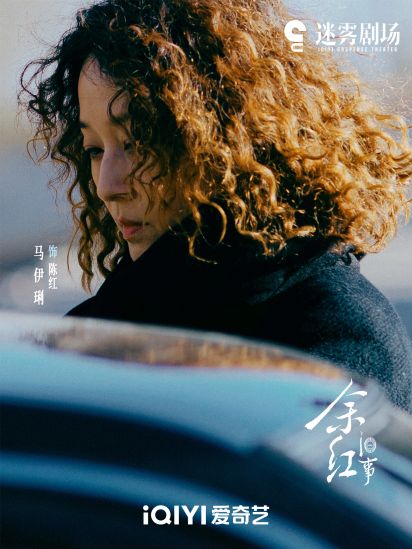
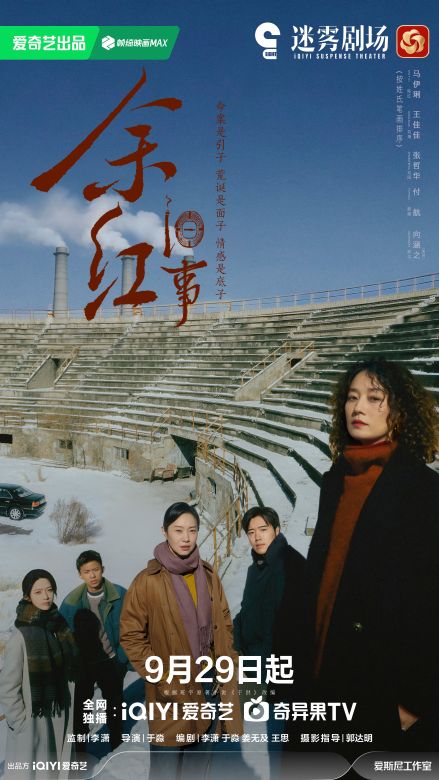
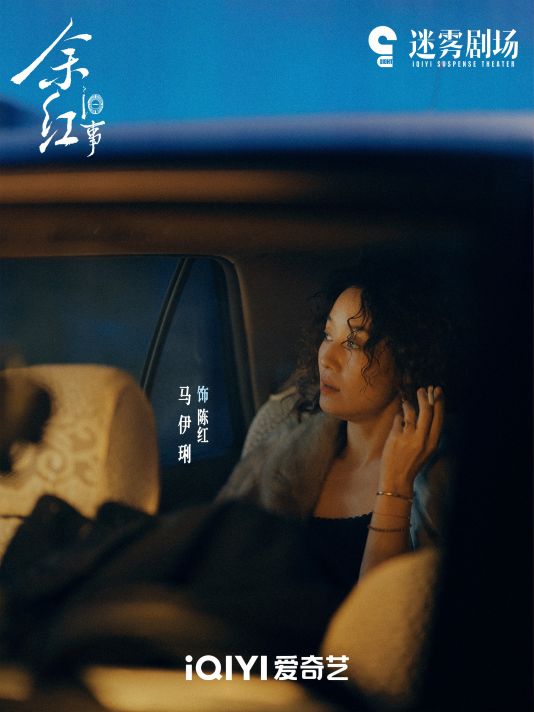
Chen hong 陈红 ma yi Li 马伊琍
Housewife of local magnate
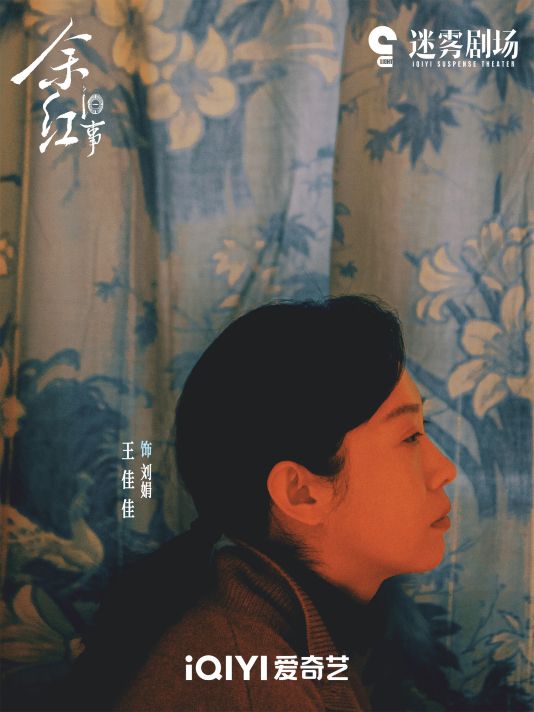
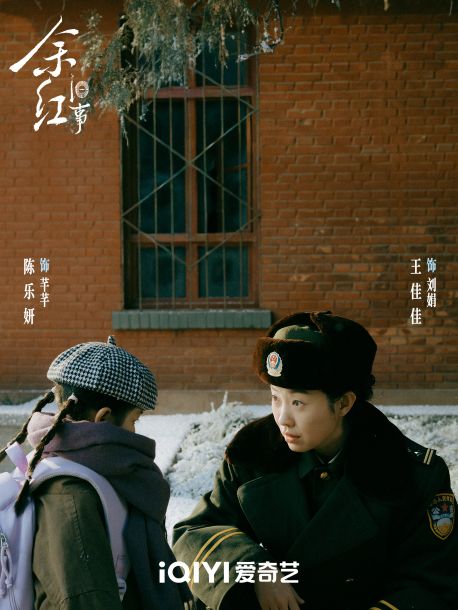
liu juan 刘娟 wang jia jia 王佳佳
Local police officer in charge of the Yu Hong Plaza
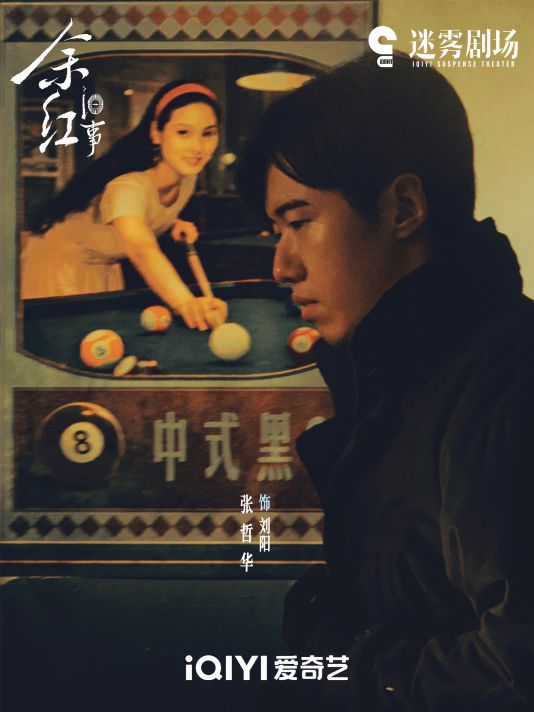
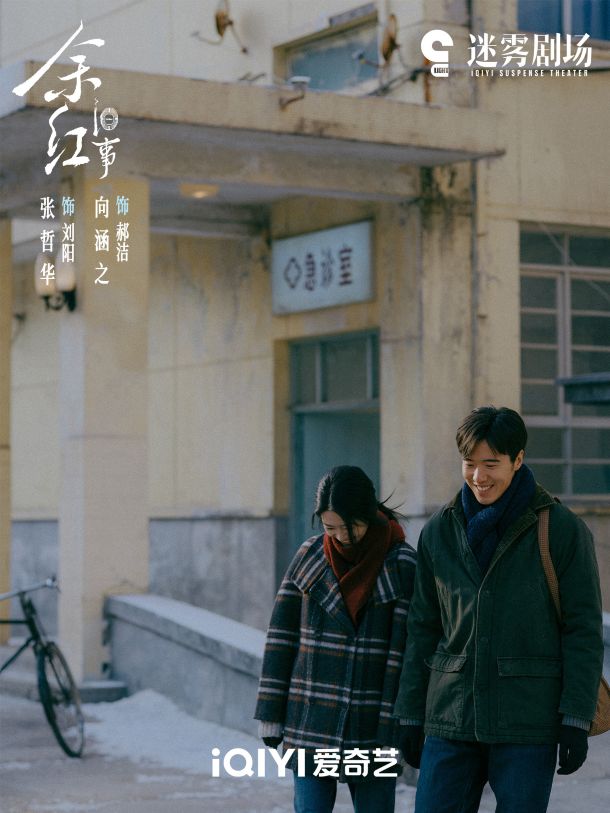
liu yang 刘阳 zhang zhe hua 张哲华
Younger brother Liu Yang who escapes death
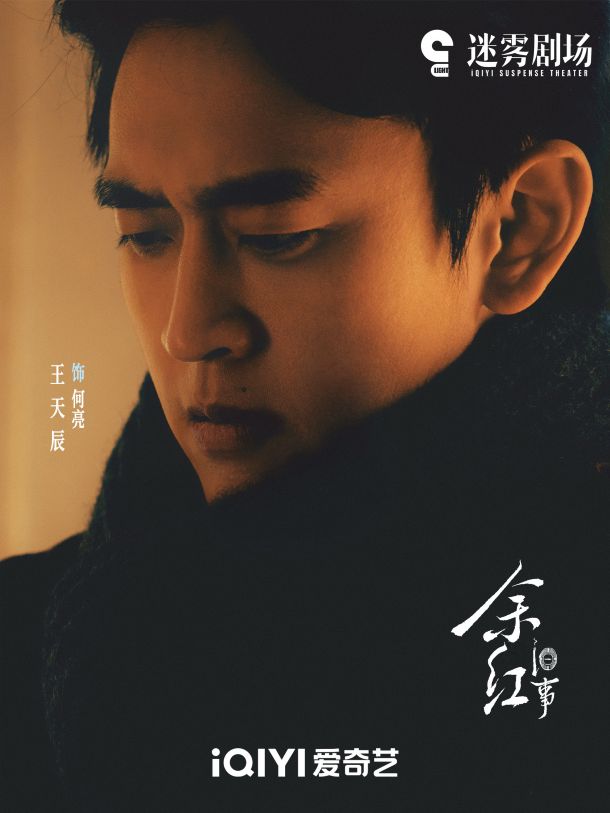
he liang 何亮 wang tian chen 王天辰
Policeman that transfers over to investigate illegal smuggling
Overall Thoughts
The Old Story of Yu Hong is a gritty, character-driven drama that stands out for its authentic Northeastern Chinese atmosphere, strong female characters, and refreshingly unconventional protagonist. Rather than following a traditional hero, the drama features a villain protagonist in Liu Yang, a man whose descent into increasingly questionable decisions is driven by survival, love, and eventually greed. His story has shades of Frank Abagnale from Catch Me If You Can, with Liu Yang constantly finding ways to stay one step ahead of the police. It’s a fascinating premise that makes for a compelling cat-and-mouse dynamic, even if Zhang Zhe Hua’s performance doesn’t always do justice to the character’s complexity.
One of the drama’s biggest strengths is how convincingly it brings 1990s Northeastern China to life. Although the story is set in the Northeast, the production filmed in Shanxi, with principal photography beginning in Gu Jiao, Tai Yuan, on January 7, 2026. The industrial settings are especially effective in capturing the decline of factory towns, where the loss of secure jobs forces people to find increasingly desperate ways to survive. Combined with the regional accents, local customs, and everyday details, the drama creates a lived-in world that feels far removed from the glossy, idealized settings of many contemporary dramas.
The women are another highlight. From Ma Yi Li’s nuanced and unapologetically ambitious Chen Hong to Wang Jia Jia’s warm and spirited Liu Juan, the female characters have their own desires, flaws, and complicated relationships with love, money, and survival. The drama doesn’t try to make every woman likable or morally upright, and that makes their stories feel all the more grounded. I also appreciated the brisk show: despite having 34 episodes, each runs only around 17–18 minutes.
That said, the drama isn’t without its shortcomings. While Liu Yang is an intriguing protagonist, I wanted a more expressive and convincing performance to fully capture his transformation. Liu Juan, meanwhile, has a lovely personal storyline, but her professional life as a police officer feels underdeveloped. Given the central cat-and-mouse premise, I would have liked to see her solve more cases and play a more active role in the investigation.
The drama might not recoup its reported 100M RMB investment but I’ve seen plenty of praise online on the show. The drama managed to breach 8400 on iQiYi’s popularity index and received a 7.8 on Douban.
What I Liked
- Spectacular acting from Wang Jia Jia and Ma Yi Li: The drama is anchored by two standout performances from Wang Jia Jia as Liu Juan and Ma Yi Li as Chen Hong. Wang Jia Jia is the heart of the show, portraying Liu Juan with so much warmth and authenticity that she brings some much-needed levity to an otherwise rather grim viewing experience. She gives the audience a chance to breathe amid all the bleakness. It’s incredibly easy to believe her as a local police officer who can be hot-headed and sharp-tongued but is ultimately kindhearted. Ma Yi Li, meanwhile, delivers a powerhouse performance as Chen Hong, a nuanced character who begins as a housewife deeply dissatisfied with her life. What I particularly appreciated is that Chen Hong doesn’t simply sit around waiting for her circumstances to change. She actively tries to improve her position in life, seizing whatever opportunities she can with the people, resources, and skills available to her. She’s ruthless, unapologetic about what she wants, and unafraid to acknowledge her own desires and physical needs. She’s not necessarily someone you’re always going to root for, but she’s fascinating to watch precisely because of that complexity. Both actresses bring so much life to their characters, and their performances are a major reason the drama works as well as it does.
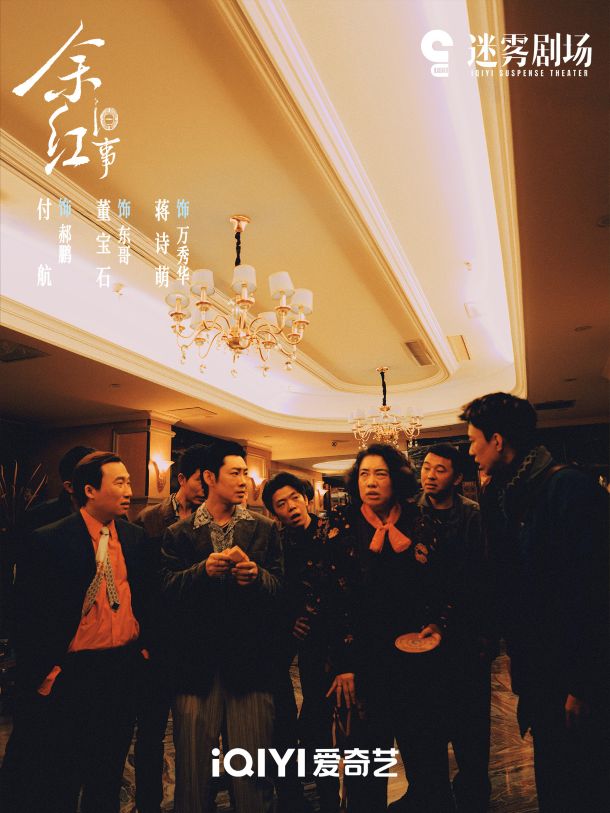
- The wonderfully Dong Bei-ness (Northeastern China) of this all: Although the drama wasn’t filmed in Northeast China, it does an impressive job recreating the region’s clothing, architecture, and overall atmosphere. That authenticity is further strengthened by the performances of three actors from the region: Wang Jia Jia, Zhang Zhe Hua, and Jiang Shi Meng. All three are natives of the provinces that make up Northeast China, and their thick Northeastern accents, rapid-fire delivery, and use of local slang make the dialogue feel incredibly natural. Rather than feeling like actors performing a regional identity, they genuinely bring the world of the drama to life. The production also gets the smaller details right. Filmed during winter, the drama features plenty of recognizable Northeastern padded cotton jackets and trousers, instantly evoking the region’s cold climate. There are also little everyday habits that add to the sense of authenticity. Liu Juan is frequently eating sunflower seeds, something that remains a familiar pastime in Northeast China. Jiang Shi Meng’s character, Wan Xiu Hua, also has a side hustle as a shamanic practitioner, which apparently resonated with viewers from the region, who commented that having a local shaman to pray to was common in their own villages and towns. Another particularly interesting cultural reference is the Yellow Weasel Immortal (黄大仙), also known as Huang Er Ye or the Yellow Weasel Spirit. In Northeastern Chinese folk religion, the weasel is one of the Five Great Immortals, ranking just below the fox spirit. The animal occupies an interesting place in local folklore: it can be viewed as a protector of the home and grain stores, but it is also believed to possess powerful spiritual abilities and the capacity to bring either blessings or misfortune. Folklore holds that weasels can bewilder people or even possess them, causing unusual behavior, and there is a traditional warning against harming them for fear of supernatural retaliation. There might be some supernatural work at play here in the drama! I love these kinds of cultural details because they give the drama a stronger sense of place and help introduce viewers to a side of Chinese folk beliefs that doesn’t often get much attention in mainstream dramas.
- A refreshing variety of stories about women and their desires: One of the things I appreciated most was the variety of women’s stories woven throughout the drama. The series doesn’t shy away from acknowledging that women have desires and ambitions of their own, whether those involve careers, financial security, physical intimacy, or simply wanting a better life. And importantly, these women aren’t all written as flawless, universally admirable heroines. Some make mistakes and have to live with the consequences. Some are very clear that money is their priority. Some pursue love, while others understand that love comes at a price. Relationships are portrayed with a level of maturity that feels refreshing. There are affairs, divorces, complicated sexual relationships, and women who make choices that won’t necessarily earn them the audience’s approval. Not everyone is likable, and that’s perfectly fine. In fact, I think this is what makes the characters feel more real. These are women with competing needs, personal ambitions, flaws, and desires, rather than idealized heroines whose lives revolve around finding romance. It’s also refreshing to watch a drama that treats these women’s stories as the main event. We’re so often shown stories about men, with women relegated to supporting roles or serving primarily as romantic interests. Here, the women are allowed to take center stage. Their decisions, relationships, ambitions, and mistakes drive the drama, making their stories far more compelling than a conventional, drawn-out romance.
- A gritty portrayal of a declining industrial town: Another aspect that stood out to me while watching was how many viewers praised the drama’s convincing portrayal of a town that had fallen on hard times. The atmosphere is genuinely grimy and melancholic, capturing the sense of decline that followed the closure of factories in many industrial towns during the 1990s. For a generation, factory jobs had provided workers with a relatively secure livelihood through retirement. But as factories shut down, that security disappeared, and people were forced to find other ways to make ends meet. The drama explores what happens when an entire community is left behind. Some people turn to smuggling, counterfeit goods, and the criminal underworld to survive. Others struggle to find their footing in a world where the jobs and opportunities they once relied on have vanished. Younger people leave in search of better prospects elsewhere, while those who remain are left to navigate an increasingly uncertain future. This isn’t a glossy idol drama about a beautiful couple living in luxury. It’s a story about ordinary people trying to survive in an unforgiving environment, sometimes making questionable decisions because they feel they have few other options. The rundown surroundings aren’t simply there for aesthetic effect; they reflect the desperation, disillusionment, and diminished prospects of the people living in them right before the reforms at the end of the 1990s. That grittiness gives the drama a strong sense of realism and makes its characters’ struggles feel grounded in a particular time and place.
- Excellent pacing and a tightly edited story: For a drama with 34 episodes, this show is surprisingly easy to breeze through because each episode is only around 17–18 minutes long. The story keeps moving, the characters continue to develop, and the drama rarely gets bogged down in long-winded speeches or unnecessarily drawn-out scenes. It respects the audience’s time and doesn’t feel the need to explain every little thing. I also think the format works particularly well for this kind of ensemble drama, which has so many characters and intersecting stories to explore. With a more conventional 34-episode format of 45 minutes per episode, I could easily imagine the story becoming bloated and repetitive. Instead, the series is smart about what it chooses to show and what it leaves unsaid. The result is a brisk, engaging viewing experience that keeps you moving from one character and storyline to the next without feeling as though you’re watching the same material stretched out to fill a runtime.
- The unexpectedly sweet family dynamics: Amid all the grimness, there is one makeshift family whose interactions provide a genuinely heartwarming contrast to the rest of the drama. Watching these characters gradually come together and dote on a young child was such a joy. The child also serves as a lovely way to introduce some of the quirks and everyday customs associated with Northeastern Chinese life, adding another layer of cultural texture to the story. I found myself wishing we could spend more time with this little family. Their interactions offer a glimpse of warmth, affection, and ordinary happiness in a world where so many characters are struggling with hardship, complicated relationships, and difficult choices. These moments don’t erase the bleakness of the drama, but they give it some emotional balance and make the characters’ small pockets of happiness all the more precious.
What I didn't like
- Zhang Zhe Hua struggled to bring the male lead to life: Liu Yang is an incredibly interesting character and, in many ways, a refreshing choice for a male lead. At the very beginning of the drama, Zhang Zhe Hua’s Liu Yang kills three men in self-defense as the factory where he works collapses. From there, he gets swept into a chain of events that leads him to commit increasingly terrible acts, first out of self-preservation, then for love, and eventually out of greed. His story almost becomes a Catch Me If You Can-style game of survival and evasion, making him a fascinating and unpredictable protagonist. Unfortunately, I didn’t think Zhang Zhe Hua had the gravitas or acting ability to fully bring this character to life. In several scenes, he seems to stare blankly at his co-stars before reacting a beat too late. I’m not sure whether this was an intentional directorial choice, but his performance often lacked the animation and expressiveness needed to make Liu Yang feel like a fully realized, compelling character. For someone whose circumstances and moral choices change so dramatically throughout the story, I wanted to see more depth and nuance in his portrayal.
- Liu Juan’s professional storyline feels underdeveloped: Despite Wang Jia Jia’s excellent performance, I had a hard time pinning down Liu Juan’s character arc. On a personal level, she has a lovely storyline involving a young child and a police officer who comes to town to investigate a case. These relationships give her plenty of warmth and provide some of the drama’s sweetest moments. Professionally, however, Liu Juan’s storyline feels much less substantial. As a local police officer, I wanted to see her take on more cases, solve more crimes, and demonstrate her capabilities as an investigator. Instead, much of her screen time is devoted to her personal and household relationships. While those parts of her story are enjoyable, I wish the drama had given her a stronger professional arc to match the promise of her character and Wang Jia Jia’s performance.