

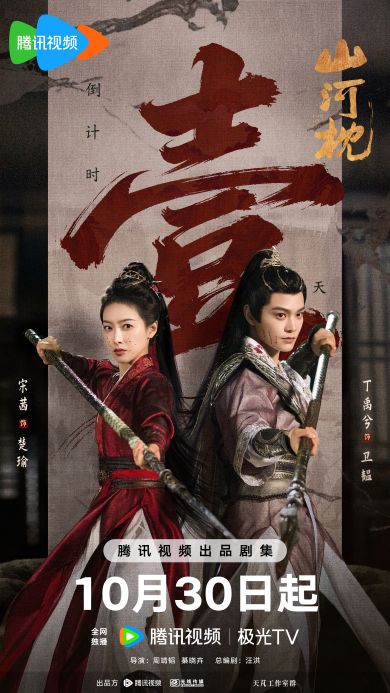
Review: Fighting for Love (2025) 山河枕
Summary: Chu Yu (starring Song Qian) hails from a military family. Her father recently died on the battlefield and her severely injured older brother reveals that their father’s death was caused by potential treason. Chu Yu vows to discover the truth and turns to seek aid from another powerful military family, the Wei family. Wei Yun (starring Ding Yu Xi) is the youngest son of the Wei family. After devastating losses to the family, he must now take charge. Chu Yu decides to marry into the Wei family as a widow to uncover the secrets of her father’s death. Wei Yun becomes infatuated with the intelligent and strong Chu Yu. The two experience life and death situations together as they fight for their kingdom and uncover the truth.
Platform: Tencent, Zhe Jiang Television
Episodes: 40
Airing Date: Oct 30, 2025
Rating: 6.4/10 [after 22 episodes] – A disappointing adaptation that strips away political intrigue, character growth, and meaningful sacrifice, only to devolve into tiresome romantic squabbles. Ding Yu Xing’s compelling performance isn’t enough to save it.
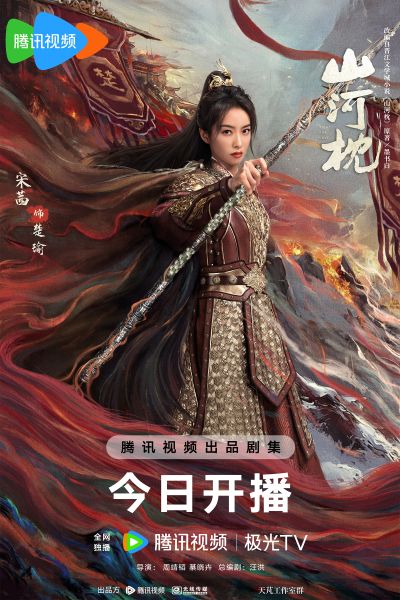
Chu Yu 楚瑜 Song Qian 宋茜
Hailing from a military family, she marries into the Wei family
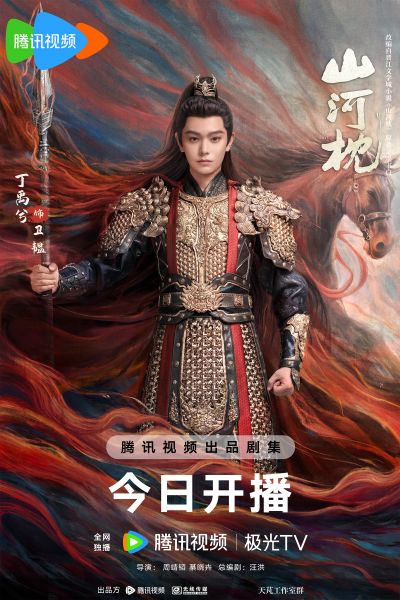
Wei Yun 卫韫 Ding Yu Xi 丁禹兮
The seventh son of the Wei family
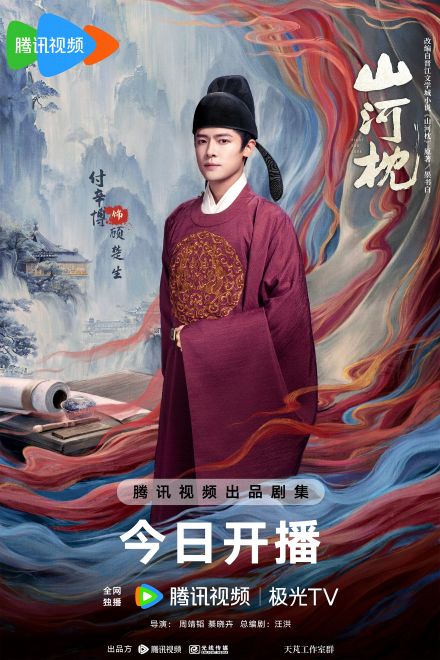
Gu Chu Sheng 顾楚生 Fu xing bo 付辛博
Newly appointed official who has ties to Chu Yu
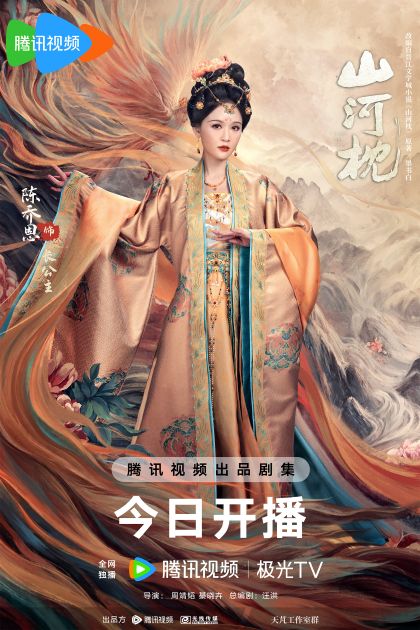
Princess Royal 长公主 Chen QIao En 陈乔恩
The Princess Royal of the empire
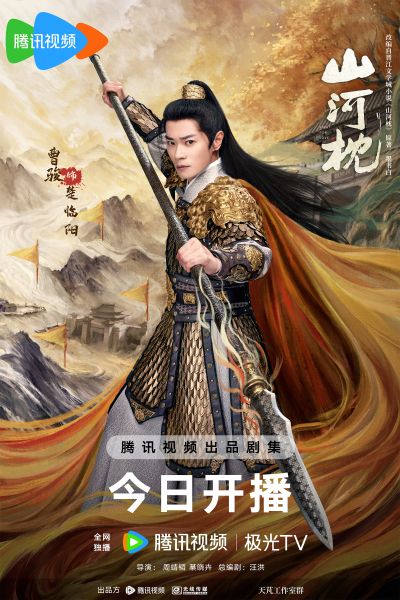
Chu Lin Yang 楚临阳 Cao Jun 曹骏
Head of the Chu household and older brother to Chu Yu
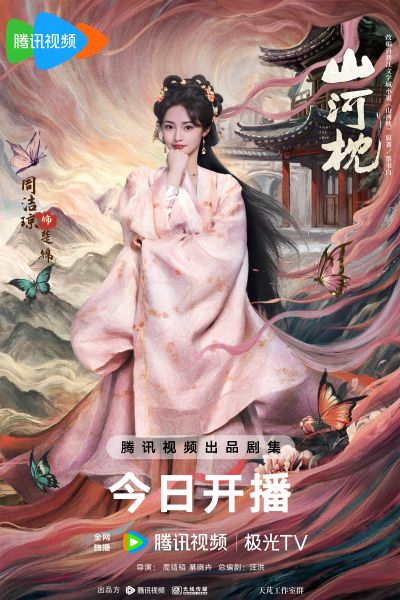
Chu Jin 楚锦 Zhou Jie Qiong 周洁琼
Youngest member of the Chu family

Song Wen Chan 宋文昌 Zhou Da Wei 周大为
Son of the Song family and best friends to Wei Yun
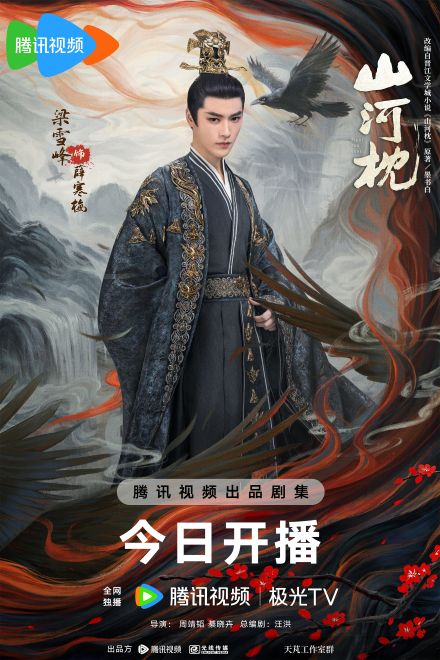
Xue Han Mei 薛寒梅 Liang Xue Feng 梁雪峰
Favorite of the Princess Royal

Overall Thoughts
The drama begins with a promising premise: a general’s daughter determined to clear her family’s name, willing to sacrifice her reputation and happiness to do so, becomes the older sister-in-law to a young marquess who is forced to shoulder the burdens of his household. Their family alliance and the political battles they face should have provided a gripping foundation.
Unfortunately, the execution falls flat. What could have been a rich political drama with court intrigue and border conflicts instead collapses into a middling romance dominated by repetitive squabbles and jealousy. Despite a large cast led by Song Qian and Ding Yu Xi, with welcome appearances from Cao Jun and Chen Qiao En, the adaptation reduces most characters to their romantic arcs. Song Qian struggles to command the role of Chu Yu, delivering a muted, sleepy portrayal that never captures the character’s strength. By contrast, Ding Yu Xi, Cao Jun, and Chen Qiao En turn in admirable performances, but even they suffer from the stripped-down writing.
As someone who read and enjoyed the source novel, the shift in focus is especially disappointing. The original story used a familiar time-travel setup but added a compelling twist: both Chu Yu and Gu Chu Sheng return to the past, carrying the scars of their tumultuous first life. On the page, Chu Yu was intelligent, kind, and firm in her convictions, particularly in her dynamic with Gu Chu Sheng. The drama, however, sidelines this layered characterization and reduces her to constant entanglements with him.
In the end, the drama failed to resonate, barely scraping past 25,000 on Tencent’s popularity index. This adaptation serves as yet another reminder any drama deserves thoughtful and balanced writing, not only focused on romance that dilutes what made the story compelling in the first place.
What I Liked
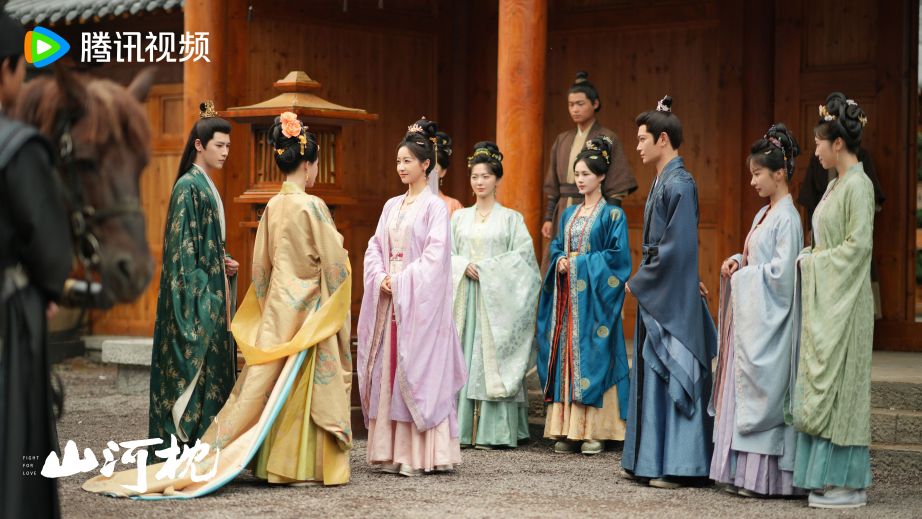
- Ding Yu Xi as Wei Yun: Ding Yu Xi delivers one of the drama’s standout performances as Wei Yun, fully capturing the heart and soul of a young aristocrat forced to shoulder the weight of his family’s legacy after catastrophic loss. His portrayal deftly balances vulnerability with a quiet arrogance. Wei Yun grows into a man who knows his power and is unafraid to wield his military influence when necessary. Through Ding Yu Xi’s performance, Wei Yun’s affection for Chu Yu feels grounded and believable. Period romances are clearly Ding Yu Xi’s strongest genre, though he still lacks the star power to carry a weak drama on name alone.
- Cao Jun as Chu Lin Yang: It’s refreshing to see Cao Jun return to more period dramas this year. This is another one that showcases both his martial strengths and his acting chops. Having watched him since his child actor days, it’s disappointing that his adult career hasn’t flourished more because his Chu Lin Yang is exactly as I envisioned: righteous, deeply devoted to his sister, and ambitiously driven. He brings real gravitas to every scene. Unfortunately, the script dilutes his military ambitions and saddles him with a random romance subplot, but Cao Jun maximizes the material he’s given. Hopefully this performance leads to more opportunities.
- Chen Qiao En as the Princess Royal:T he Princess Royal is one of the most compelling figures in both the novel and the adaptation. She’s a woman who endured immense hardship for the kingdom and now commands significant political power. Shrewd, calculating, and keenly aware of court dynamics, she knows precisely when to assert herself and when to maneuver from the shadows. Chen Qiao En gives a respectable performance, but once again the screenwriters diminish the character’s nuance and political weight, weakening what should have been one of the story’s strongest pillars.
- Strong family and friend bonds: While the drama’s antagonists lean heavily into treason without much complexity, this clear moral divide does allow the series to highlight heartfelt family and friendship bonds. Wei Yun’s sisters-in-law each face pivotal choices about their futures, and the show gives them space to arrive at their own resolutions with genuine familial support. The central friend group also understands the stakes and rallies behind the leads in their efforts to do what’s “right.” It’s undeniably cheesy, but surprisingly effective.
What Didn't Work
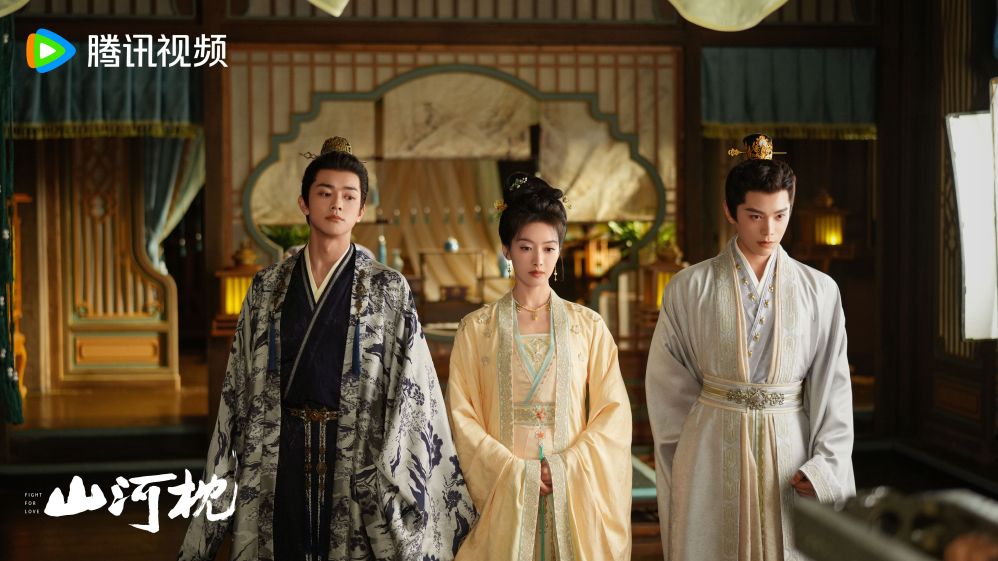
- Song Qian’s performance as Chu Yu: As someone who has always had a soft spot for Song Qian from her Kpop girl group days , it’s disappointing to see how little of her on-stage charisma translates to her recent acting work. Unfortunately, her performance as Chu Yu continues this trend. She often appears wooden, meeting her co-stars with blank, half-lidded stares that sap the emotional energy from her scenes. The lack of chemistry with Ding Yu Xi is especially noticeable. He works hard to build the dynamic, but her muted reactions consistently undercut their connection. There are fleeting moments where she shows what she could bring to the role, and her dance background lends itself well to the fight choreography. But overall, her portrayal remains middling at best. In my frustration, I even found myself revisiting her old f(x) performances, wishing she could channel that vitality and stage presence into her acting roles.
- Plot lines are diminished to petty romantic squabbling: The largest flaw in the drama is its focus on romance at the expense of world-building, political intrigue, and character development. Valuable screen time is eaten up by repetitive bickering and recycled conflicts. The love triangle between Chu Yu, Gu Chu Sheng, and Wei Yun is particularly forced by the screenwriters. In the book, Chu Yu is firm about working with Gu Chu Sheng only when necessary. In the adaptation, Gu Chu Sheng even neglects his own wife to pursue Chu Yu, further muddling character motivations. Other characters aren’t spared: Chu Lin Yang is saddled with a random romance subplot not found in the source material, and the Song Wen Chang–Chu Jin pairing lacks any narrative substance beyond surface-level attraction. What made the novel compelling was its ability to interweave heartbreaking relationships with a broader narrative of political maneuvering and military tension. The drama abandons this balance. By centering so heavily on underdeveloped romance arcs, it reduces the plot to a series of interpersonal squabbles, leaving the larger world and its stakes feeling like an afterthought.