Review: How Dare You?! (2026) 成何体统
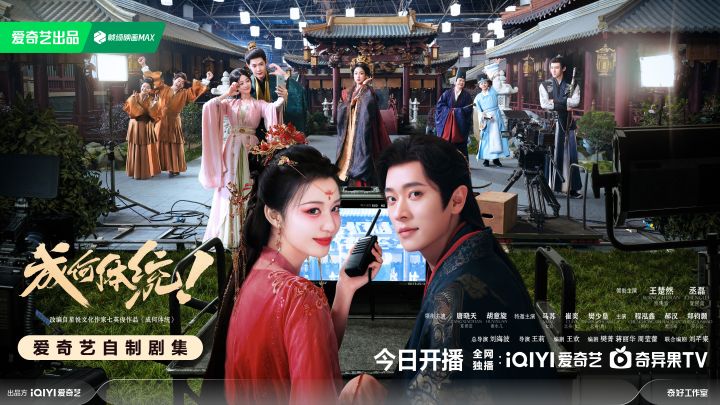
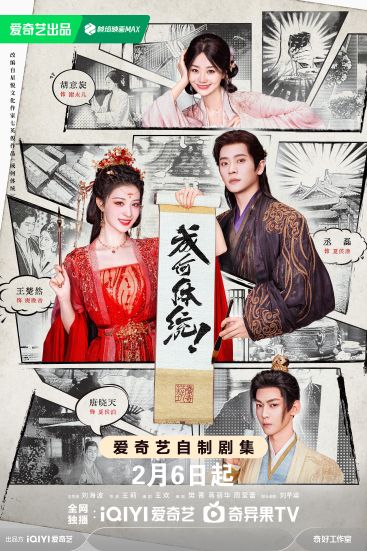
Summary: Modern day corporate employee Wang Cui Hua is tasked with reading a time traveling novel. After speed reading through the novel, she unexpectedly finds herself transported into the novel as the infamous consort Yu Wan Yin (ft Wang Chu Ran). Armed with only a vague memory of the original plot, she finds an unlikely ally with the King, Xia Hou Dan (ft Cheng Lei). With the Empress Dowager tightly controlling state affairs and a power-hungry prince waiting in the wings, the royal couple need to form new alliances to survive. Together, the king and consort learn to trust one another while facing the treacherous realities of court life.
Platform: Tencent
Episodes: 32
Airing Date: February 6, 2026
Review 6.8/10 – Despite its strong premise, moments of emotional resonance, and a gorgeous Wang Chu Ran, the uneven performances, sidelined character development, and tonal imbalance, prevent the drama from fully realizing its potential.
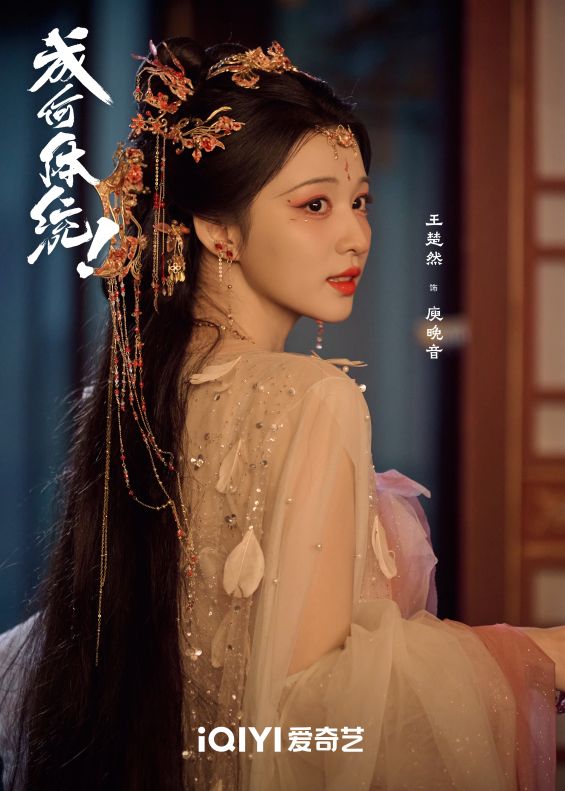
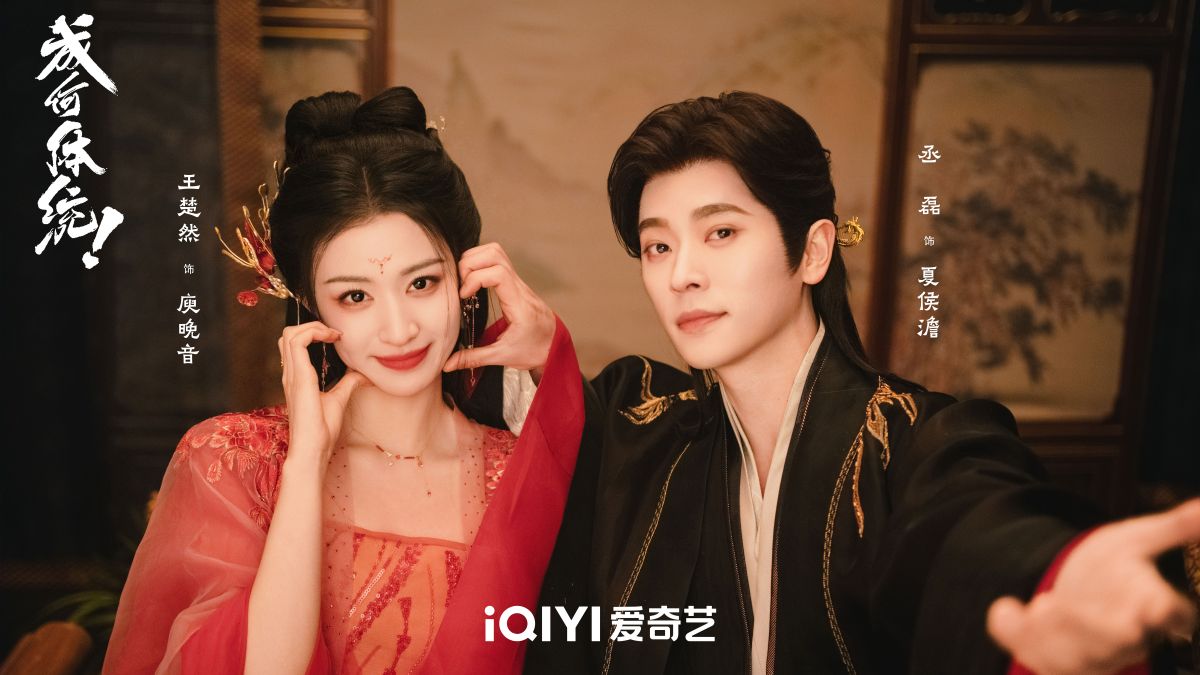
Yu Wan yin 庾晚音 wang chu ran 王楚然
Modern woman who accidentally transports into a period novel
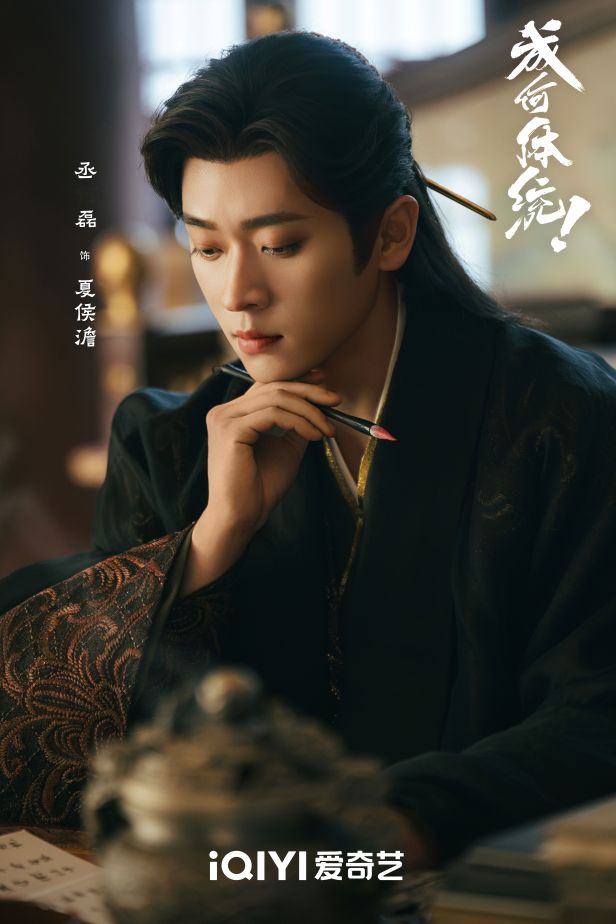
Xia Hou Bo 夏侯澹 Cheng Lei 丞磊
Despot king of the Xia Kingdom with many mysteries
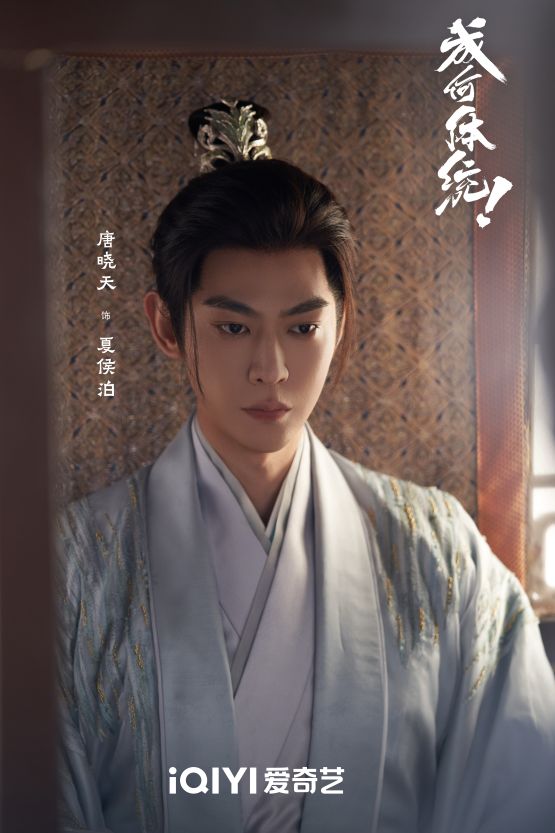
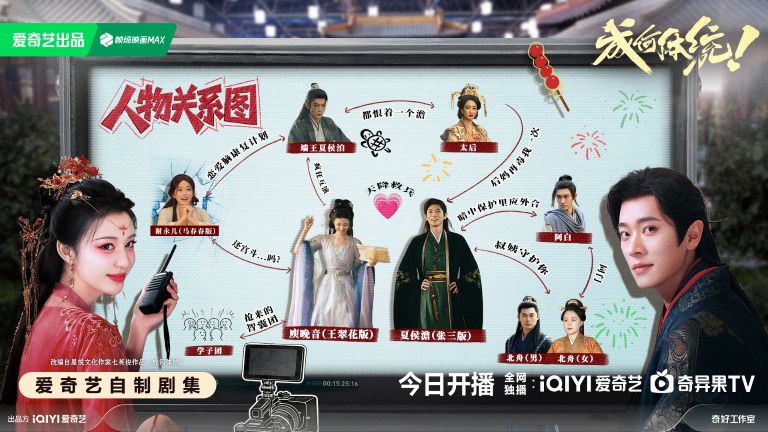
Xiao Hou Bo 夏侯泊 Tang Xiao Tian 唐晓天
Prince of Duan with higher aspirations
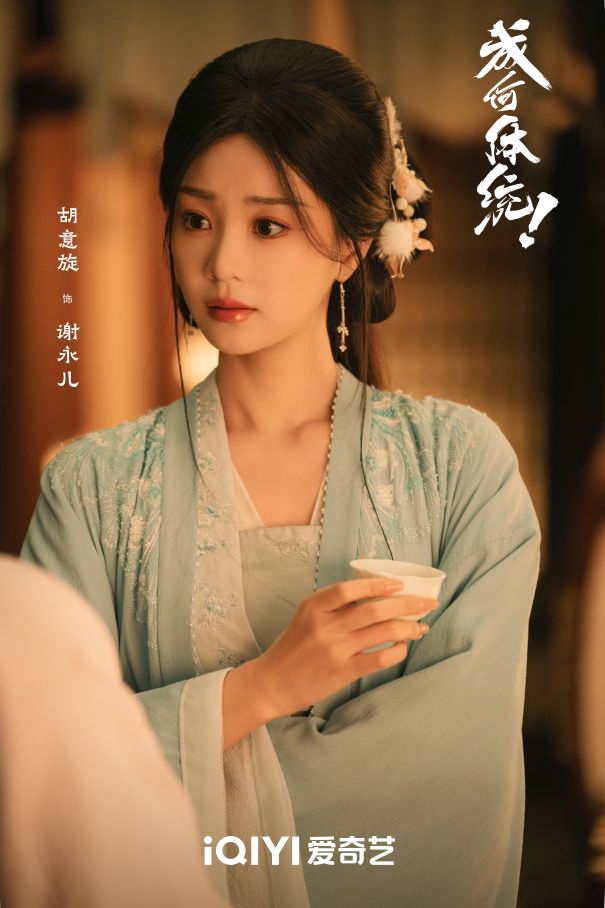
Xie Yong Er 谢永儿 Hu Yi Xuan 胡意旋
Consort of the king who has her own calculations
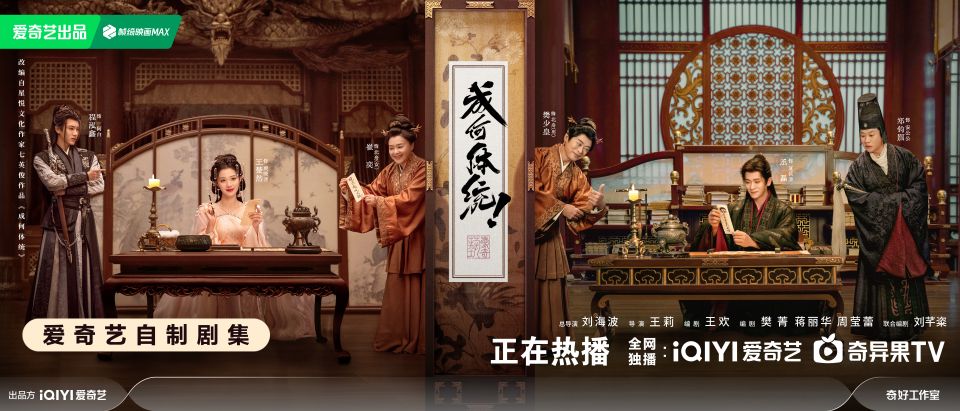
Overall Thoughts
This drama stands out for its inventive premise and strong supporting foundation, but falters due to its uneven execution. A flurry of information is shared right at the beginning of the drama, which sets the stage for Wang Chu Ran’s Yu Wan Yin to explore the “book world”. The story cleverly includes new layers to the “book travel” trope which adds much need levity and intrigue to a rather tiresome trope. This adds complexity to the traditional palace formula, creating shifting alliances and real uncertainty about who holds the advantage. The supporting cast, including seasoned performers such as Cui Yi and Fan Shao Huang, brings confidence and nuance that elevates many scenes. Meanwhile, Wang Chu Ran delivers a strong and engaging performance as Yu Wan Yin, balancing pragmatism, emotional restraint, and moral clarity. She has great chemistry with Cheng Lei as they develop a playful and easy romance. However, the drama struggles with focus and balance. Despite being framed as a female-led narrative, Yu Wan Yin is frequently overshadowed by the king’s storyline, This shift makes her journey feel less central than expected. The lackluster performances from the male leads further contribute to the unevenness.
Adapted from a novel by Qi Ying Jun, this novel was already adapted into a popular animated series and a short drama so this is one additional adaptation. The strength of the premise is really able to capture audiences. This drama has performed adequately but did not exceed expectations. It breached 9,000 on iQiYi’s popularity index however overall viewership has struggled to break 15M viewers per episode. For a drama that aired during the Chinese New Year break, it’s surprising that there wasn’t more buzz.
What Worked
- A truly unique premise [Minor spoilers]: The drama’s greatest strength lies in its inventive setup: multiple characters have time-traveled into the novel’s world. Instead of a single outsider holding all the advantages, the characters must figure out who is merely a “story character” and who is a real person from the modern world . This fresh twist creates shifting alliances and constant uncertainty, as different characters possess varying levels of knowledge about the original storyline and attempt to change their fates. Without a single protagonist holding a guaranteed advantage or “cheat code,” the story becomes far more unpredictable. No one’s survival or success is assured.
- A standout supporting cast: The supporting ensemble, including veteran actors such as Ma Su, Cui Yi, and Fan Shao Huang, brings confidence and ease to their roles. Their performances feel natural and effortless, particularly in lighter or comedic moments. In many scenes, the supporting cast outshines the leads. Interestingly, most of these actors use their own voices rather than dubbing, which creates a noticeable contrast and highlights the stronger acting foundation among the secondary characters.
- Enjoyable secondary plotlines: After Yu Wan Yin and Xia Hou Dan form their alliance, they seek out ambitious yet poor scholars to strengthen their position at court. These subplots are among the drama’s highlights. The actors portray the scholars’ frustrations, ambitions, and willingness to sacrifice for their ideals with sincerity and emotional weight. These grounded performances add depth to the political world and elevate the series beyond a simple romantic comedy. At times, these character-driven arcs are more compelling than the frequent battles between Xia Hou Dan and Xia Hou Bo.
- Wang Chu Ran as Yu Wan Yin: Wang Chu Ran succeeds in the role as consort Yu Wan Yin who is trying to navigate her way through this new world. Her character is pragmatic rather than blindly kind-hearted, yet she maintains clear moral boundaries. She is fully immersed in the role and consistently steals the spotlight in her scenes. I wished the drama used her own voice instead but the dub didn’t detract too much from the viewing experience.
- Positive Female Relationships: While the male characters are often locked in ruthless power struggles, the female dynamics offer a refreshing contrast. Although palace survival requires competition, the conflicts among the women rarely descend into unnecessary cruelty. Yu Wan Yin develops a sincere and unexpected friendship with another woman, and their mutual support becomes one of the drama’s most touching emotional threads.
- Meaningful stakes and real consequences: The story is unafraid to deliver genuine losses. Several character sacrifices and deaths come as real surprises, reinforcing the idea that no one is truly safe.
What didn't work
- Underwhelming performances from the male leads: The portrayals by Cheng Lei (Xia Hou Dan) and Tang Xiao Tian (Xia Hou Bo) fail to fully carry the political weight of the story. Cheng Lei shows improvement in the latter half, particularly in more serious scenes, but his comedic moments often feel forced and unnatural. At times, the emotional tone of his performance doesn’t match the voice dubbing, which seems to carry much of the expressive burden. Tang Xiao Tian’s portrayal of the calculating and ambitious Xia Hou Bo is even less convincing. The character lacks the necessary gravitas, relying mostly on furrowed brows and minimal gestures, while the voice dub and background score do most of the work. Oversized costumes further diminish his on-screen presence. As a result, the central power struggles within the royal family feel less engaging than they should.
- A female-led drama that sidelines its heroine: Although positioned as a female-centered story, especially as Wang Chu Ran has top billing, the narrative frequently shifts focus away from its supposed lead, played by Wang Chu Ran. Instead of charting Yu Wan Yin’s growth, the drama falls into a traditional structure where the king handles the “important” political affairs while she manages comparatively trivial palace matters. Xia Hou Dan receives significantly more screen time and character development, making Yu Wan Yin feel more like a supporting figure in his journey rather than the other way around. It’s particularly frustrating that she repeatedly forgives his arrogance and poor decisions. Even when she calls him out, the consequences are quickly brushed aside. For a story that promises her transformation, the limited character growth is disappointing.
- Uneven tonal balance weakens the story: The selling point of this drama is it’s unique premise and at it’s core, the drama is a romantic comedy. The early episodes lean heavily into humor and the novelty of the time-travel setup. However, the comedy gradually becomes overused and poorly timed. Even during serious political conflicts and high-stakes developments, forced comedic beats interrupt the tension. This tonal inconsistency makes it feel as though the series wants to cover everything including romance, comedy, palace intrigue without fully committing to a clear balance. While there are genuinely moving moments, they often don’t need the added humor, which ultimately dilutes the drama’s emotional and thematic impact. I’d much rather if the drama dispensed with the comedy and leaned fully into the political intrigue in the latter half of the drama.
- Overuse of heavy visual filters: Just one last observation is the extensive use of filters in this drama. The visual smoothing is so strong that it removes texture and realism from the actors’ faces, particularly the younger cast. Having seen many of these performers in other projects, the lack of natural detail becomes distracting and reduces the sense of authenticity on screen.