Currently Watching: Love Beyond the Grave (2026) 白日提灯
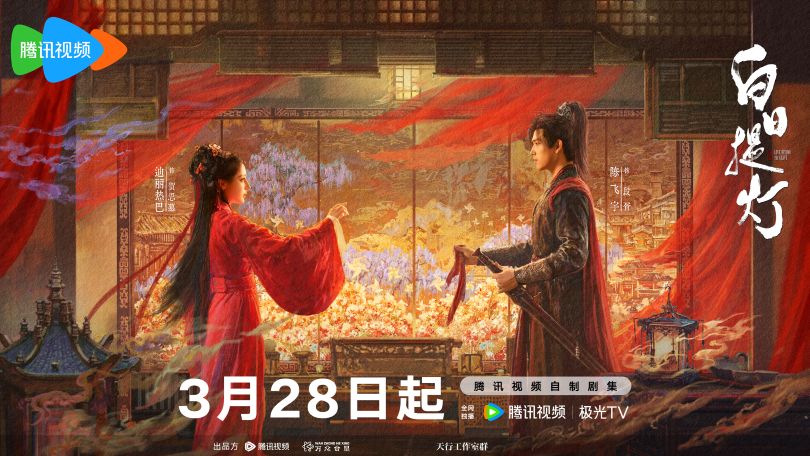
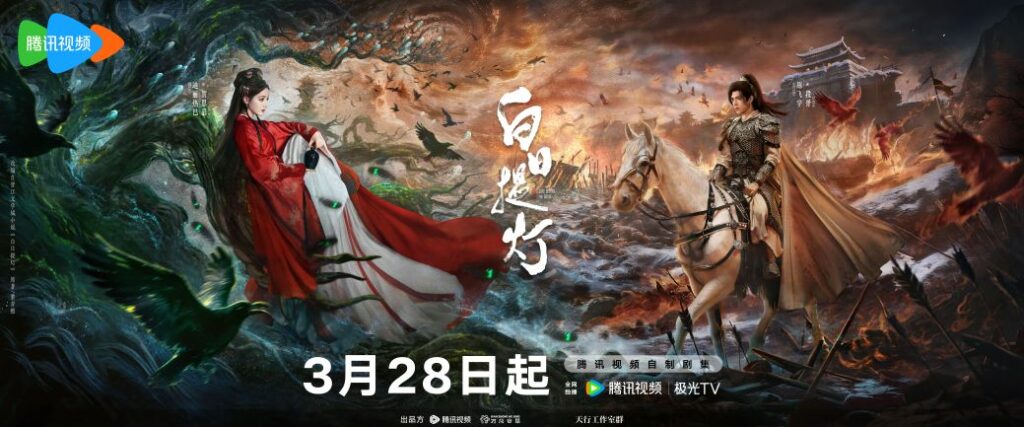
Summary: 400 year old ruler of wandering spirits, He Si Mu (Ft Dilraba Dilmurat), was born a spirit without ever experiencing the 5 senses. She ventures to the human realm in the aftermath of a brutal battle while on sabbatical and is intrigued by the appearance of the Sword of Breaking Illusions in the possession of a young human general, Duan Xu (ft Chen Fei Yu). He is now the leader of the Tai Bai Army and has a bold ambition to expel northern invaders. She is determined to claim the sword, which belonged to her aunt, for herself. Their fates become intertwined. Through the human realm and spirit realm, He Si Mu and Duan Xu must decide if their powers and lives are worth what they have been given.
Platform: Tencent
Episodes: 40
Airing Date: March 28, 2026
[Initial Review through Episode 15] 7.9/10 – Led by a strong performance from Dilraba, the drama succeeds in delivering a fresh, engaging, and visually captivating experience. With its strong thematic core and striking worldbuilding, it leaves a lasting impression and stands as a rewarding and emotional watch.
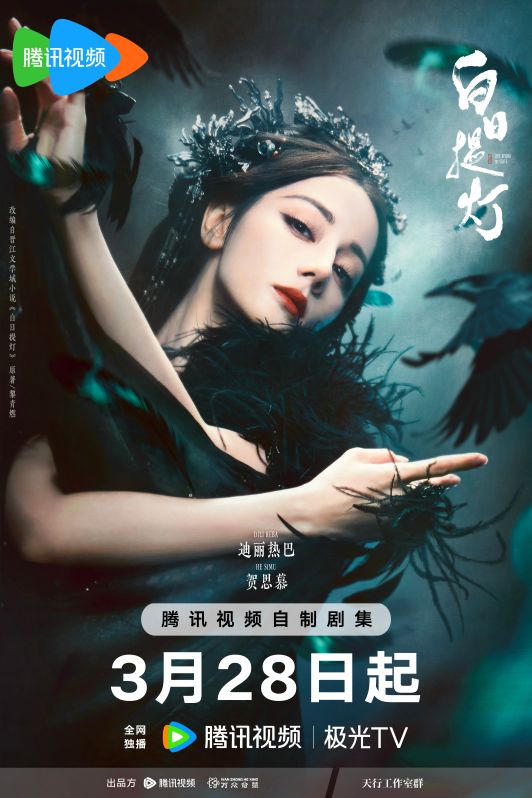
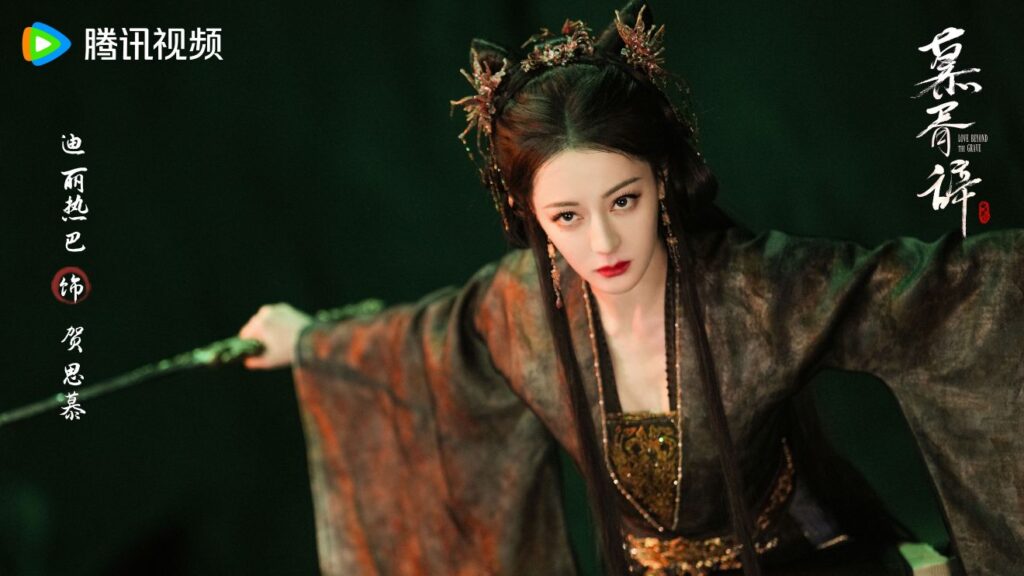
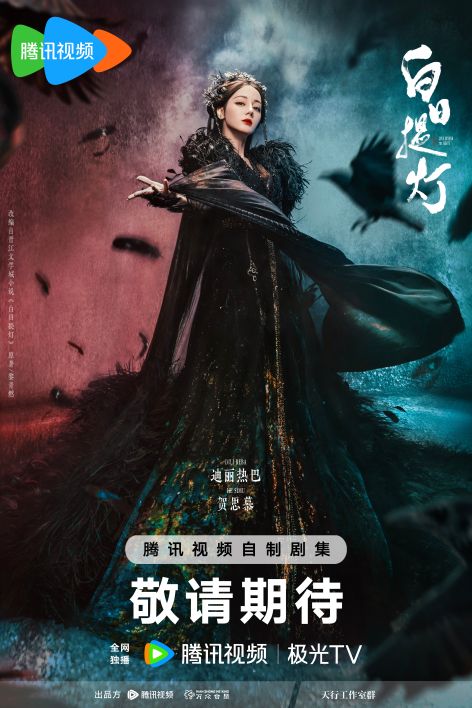
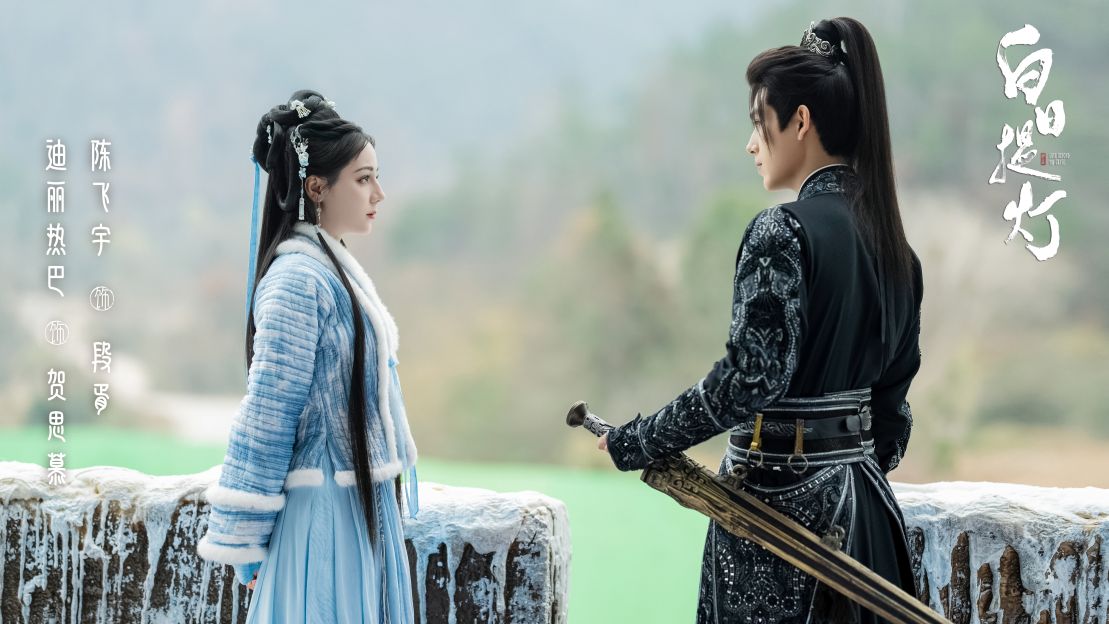
He Si Mu 贺思慕 Dilraba Dilmurat 迪丽热巴
The all powerful 400 year old ruler of the spirit realm
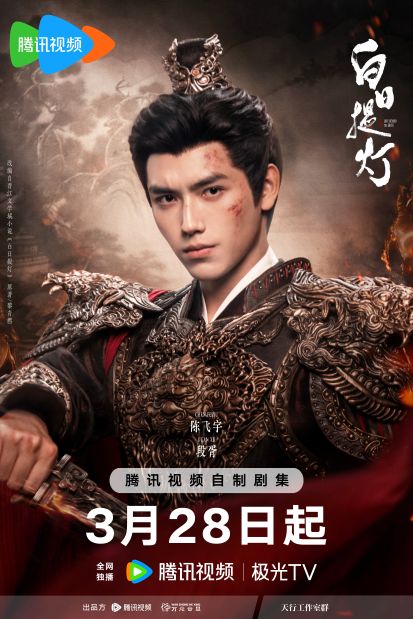
Duan Xu 段胥 Chen Fei Yu 陈飞宇
Human general who vows to expel northern invaders
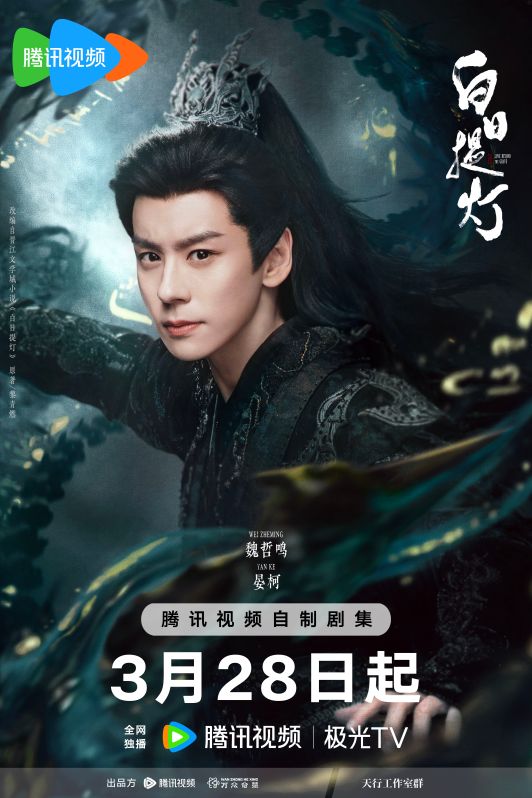
Yan Ke 晏柯 Wei Zhe Ming 魏哲鸣
Right Chancellor of the spirit realm who is extremely ambitious
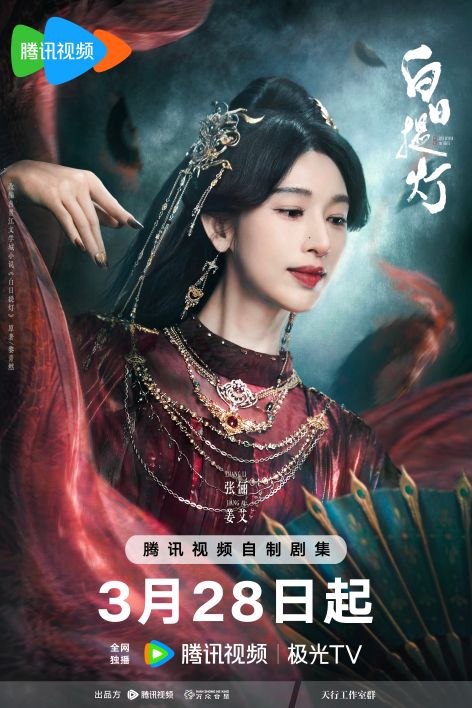
Jiang Ai 姜艾 Zhang Li 张俪
Left Chancellor of the spirit realm who loves money
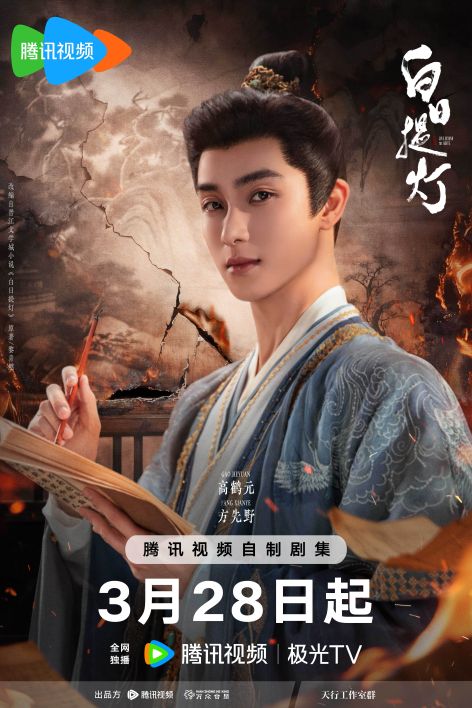
Fang Xian Ye 方先野 Gao He Yuan 高鹤元
Political rival to Duan Xu
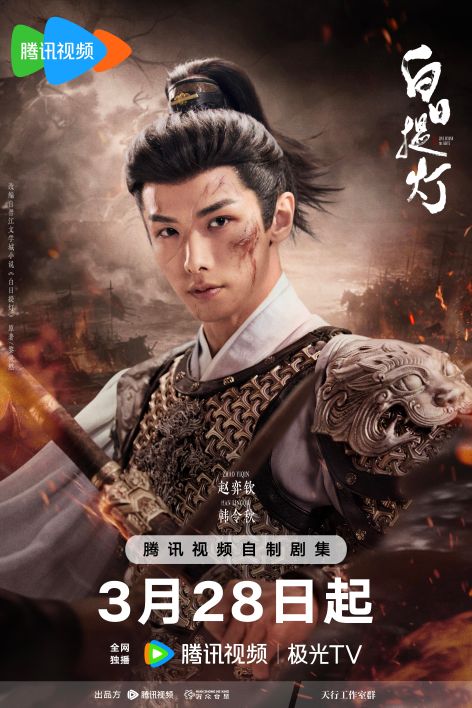
Han Ling Qiu 韩令秋 Zhao Yi Qin 赵弈钦
Captain under Duan Xu
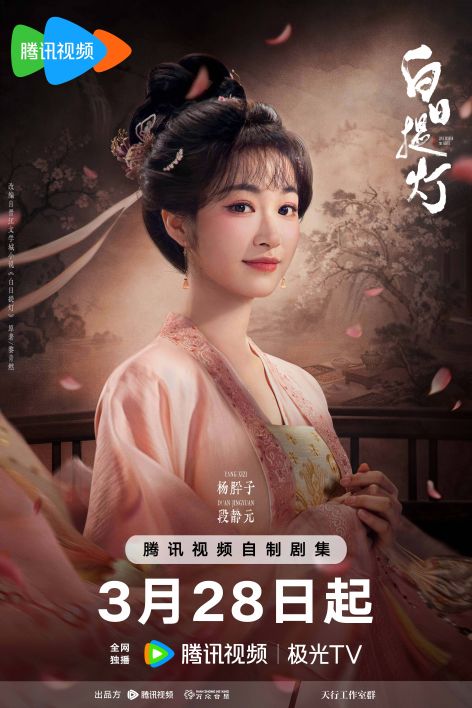
Duan Jing Yuan 段静元 Yang Xi Zi 杨肸子
Duan Xu's younger sister
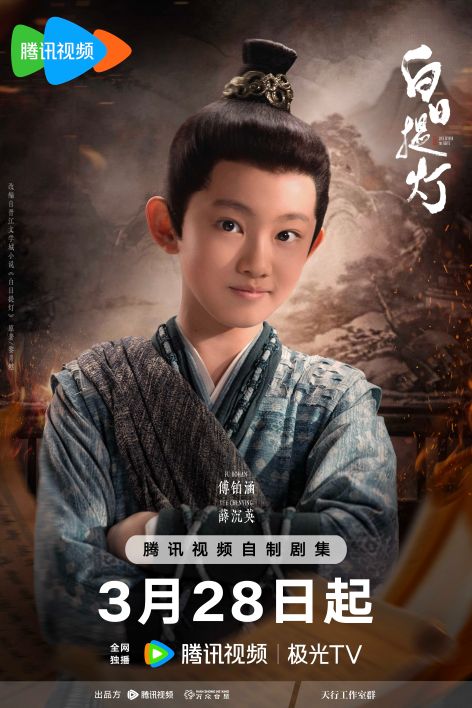
Xue Chen Ying 薛沉英 Fu Bo Han 傅铂涵
Young orphan who He Si Mu takes under her wing
Initial Thoughts
This drama, adapted from a popular novel, offers a refreshing and beautifully executed take on the fantasy romance genre. While the original story presents He Si Mu as the ruler of the ghost realm, the drama reimagines her as a spirit, but it retains her haunting, otherworldly essence. This is a different twist in the fantasy romance genre, especially as it flips the usual dynamic: here, the female lead is the all-powerful being, while the male lead is the mortal.
At the heart of the drama is a standout performance by Dilraba Dilmurat, who brings remarkable depth and nuance to He Si Mu. As a spirit who roams the human world during her sabbatical without possessing the five senses, her detachment is subtle yet ever-present, and Dilraba captures this with impressive precision. At the same time, when He Si Mu steps into her role as a ruler, her entire demeanor shifts into one of commanding authority. The contrast is striking, and Dilraba navigates it effortlessly, not only through her expressions and physicality, but also through her voice, adjusting tone and pitch with seamless control across different states of the character. Chen Fei Yu delivers his best performance yet, although it is sometimes uneven.
The drama moves at a brisk, engaging pace, supported by strong performances across the cast and a clear sense of narrative direction. Beyond the romance and spectacle, it explores deeper themes about existence, balance, and what it truly means to live, adding emotional and philosophical weight to the story. Visually, the production is stunning. The CGI is among the best seen in recent years, blending seamlessly with the environment to create a rich, immersive world. From grand, otherworldly sequences to quieter character moments, the attention to detail elevates every scene and reinforces the drama’s distinct tone. There are some issues in pacing and editing, but they don’t detract from the overall experience.
The drama only just started airing and has breached 27000 on Tencent’s popularity index. Hopefully it’ll perform better but as of now the production quality, storyline, and acting have been top notch.
What Worked
- A captivating performance from Dilraba: Dilraba Dilmurat, who returns to period dramas after a three-year hiatus with impressive range and control. As He Si Mu, the powerful ruler of the spirit realm, the role becomes a true showcase of her acting ability, and she fully rises to the occasion. What makes the performance particularly compelling is the complexity of the character. At her core, He Si Mu is a spirit with distinctly “otherworldly” traits, which naturally creates a sense of detachment from human reality. When she first appears inhabiting a human body, her lack of senses leads her to mimic what she thinks a timid young woman should be like. The result is intentionally awkward and unnatural, an effective portrayal that emphasizes just how out of place she is. As the story unfolds, Dilraba skillfully adjusts her performance to reflect the different identities He Si Mu takes on, from the kind but somewhat sassy He Xiao Xiao to the unhinged Qiao Yan, and ultimately to her true, commanding form. One of the most memorable moments comes when He Si Mu begins to experience human sensation; Dilraba conveys a sense of pure wonder that feels both fresh and deeply affecting. This stands in sharp contrast to the character’s cold, almost terrifying authority when interacting with her subjects. Beyond physical acting, her vocal performance is equally impressive. Her diction is crisp, her enunciation precise, and she subtly shifts her tone and pitch to suit each persona and emotional beat. Altogether, Dilraba demonstrates complete command over the role, delivering a nuanced and immersive performance that anchors the entire drama.
- A Breakthrough Performance from Chen Fei Yu (in Key Moments): This drama arguably delivers the strongest performance I’ve seen from Chen Fei Yu to date. While not every scene hits the same level, he proves, especially in Episode 8 as Duan Xu, that he is fully capable of landing emotional beats with depth and sincerity. That particular moment is a turning point, elevating both the character and my perception of his abilities. Given a more substantial and layered role, he rises to the occasion and shows clear growth as an actor.
- Breathtaking CGI That Elevates the Worldbuilding: The drama sets a new benchmark for visual effects in Chinese fantasy dramas. Both the human and spirit realms are rendered with remarkable cohesion, with CGI that feels seamlessly integrated rather than distracting. Small details stand out, such as the eerie, flawless transition when He Si Mu’s eyes shift to purple as she taps into her power. The use of floating, jellyfish-like spirits to represent undeveloped souls is especially imaginative, with meticulous attention to detail that enhances the atmosphere. Some of the scenes in the spirit realm are jaw dropping in it’s immersion. While a few flying sequences feel slightly clunky, they are minor blemishes in an otherwise visually stunning production.
- A Truly Powerful Female Lead: In a genre where “strong female lead” often still means second to an even stronger male counterpart, this drama decisively breaks the mold. He Si Mu is, without question, the most powerful being in the story. She is feared, respected, and always in control. She is never positioned as someone who needs rescuing; instead, she is consistently the one who saves others. Even at her weakest, she never retreats or yields. The absence of a male savior figure is intentional, offering a rare narrative where power dynamics are not quietly rebalanced in favor of the male lead. She chooses to uncover the mysteries of Duan Xu. She chooses what to do with her powers. The story stays squarely focused on He Si Mu and her choices.
- A Thoughtful Exploration of Life and Balance: At its core, the drama explores the concept of balance through He Si Mu’s journey. As an immortal spirit born without the five senses, her existence is orderly but monotonous. She maintains the universe but never truly experiences it. In contrast, human life is fleeting yet rich with sensation and emotion. Her growing desire to “live” introduces meaningful stakes: gaining human senses comes at the cost of her power. This trade-off adds weight to the narrative, setting it apart from typical fantasy stories where immortality comes without consequence. Here, every gain is balanced by a loss, grounding the story in a more reflective and philosophical lens.
- Women in Power is Normalized, Not Highlighted: A refreshing choice in the drama is how it portrays women in positions of power – by not drawing attention to it. Female characters are respected as a given, not treated as exceptions. Whether it’s Meng Wan serving in the army or He Xiao Xiao being honored for her contributions in battle, their gender is never made into a point of commentary. Even in the spirit realm, where He Si Mu faces opposition, her authority is challenged because of her power, not her identity as a woman. The absence of performative “female empowerment” moments, and the lack of male-gaze-driven framing, creates a world where women simply exist as equals. It’s a subtle but impactful approach that feels both modern and deeply refreshing.
What didn't work
- Noticeable Editing Inconsistencies: For a drama that excels in visual effects, the in-scene editing can feel surprisingly careless. There are multiple moments where continuity breaks—props shift positions or disappear entirely between cuts—which becomes quite noticeable against an otherwise polished production. While not enough to derail the story, these inconsistencies can be distracting and momentarily pull viewers out of the experience.
- Uneven performance choices from Chen Fei Yu: I praised Chen Fei Yu as this is one of his best roles to date, however, certain performance choices still feel inconsistent. At times, his emotional delivery lacks intensity, particularly in scenes that call for stronger reactions, resulting in moments that come across as flat. There are also minor but noticeable habits, such as leaving his mouth slightly open when not speaking, that can make his performance feel less polished. Additionally, some of his vocal inflections don’t always align with the tone of the scene, occasionally creating a disconnect that weakens the emotional impact.
- Underexplained Character Motivations: While the drama is generally a solid adaptation, it glosses over key character details that would have added depth and clarity. Certain personality traits are presented without sufficient context, leaving viewers, especially those unfamiliar with the source material, somewhat confused. For instance, Duan Xu’s constant smiling is given meaningful emotional reasoning in the original story, tied to his worldview and past experiences. Without that explanation on screen, the trait feels arbitrary, reducing what could have been a nuanced character detail into something puzzling rather than purposeful.