Review: Love Story in the 1970s (2026) 纯真年代的爱情
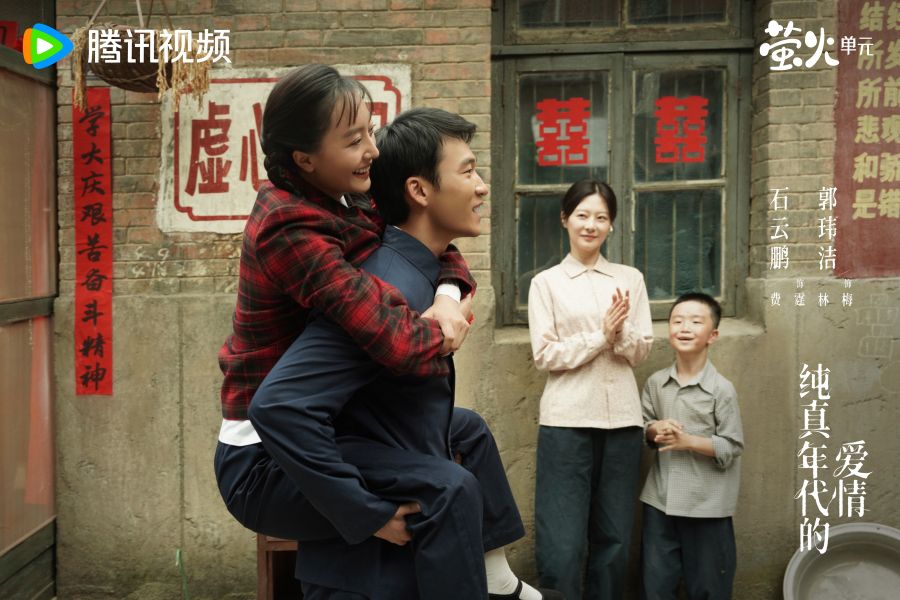
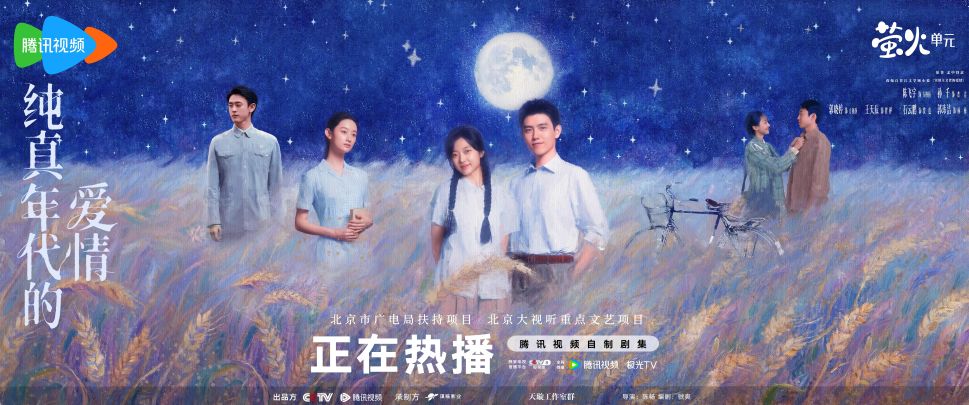
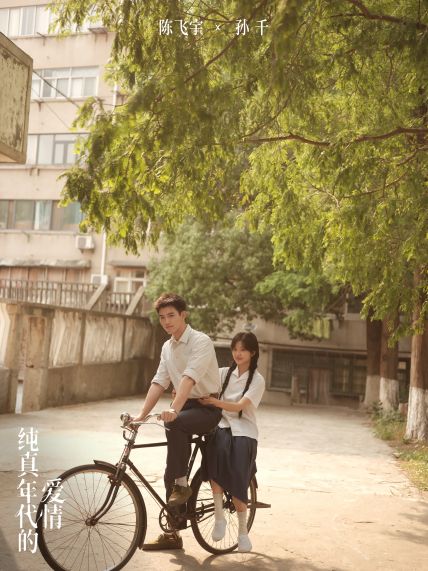
Summary: In the 1970s, Fei Ni (ft Sun Qian) is a young girl working in a hat factory but has dreams of going to University and changing her life. Her middle school classmate Fang Mu Yang (ft Chen Fei Yu) suffers an injury after a daring rescue. Fei Ni volunteers to care for him, believing that her good deeds would boost her changes to attend University. Faced with the pressures of family and work, the two ultimately come to a joint agreement to pursue a joint future. They face hardships together to achieve their dreams and despite there being bumps along the road, the two grow to a loving, romantic couple.
Platform: Tencent, CCTV 8
Episodes: 29
Airing Date: February 21, 2026
Review 7.0/10 – A breezy, idealized 1970s-set romance with varied love stories and strong supporting performances, especially from Guo Xiao Ting and Wang Tian Chen, that largely overshadows the uneven central narrative led by Chen Fei Yu and Sun Qian
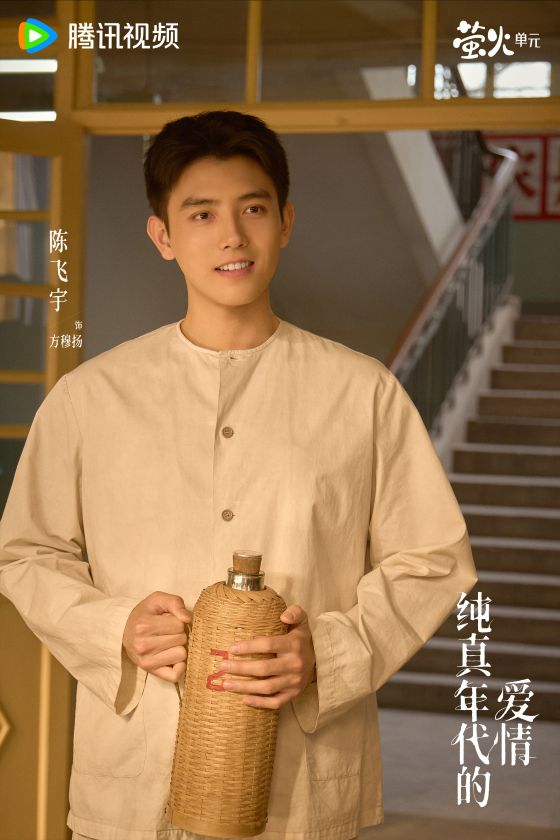
Fang Mu Yang 方穆扬 Chen Fei Yu 陈飞宇
Aspiring artist who becomes a hero in a recent storm
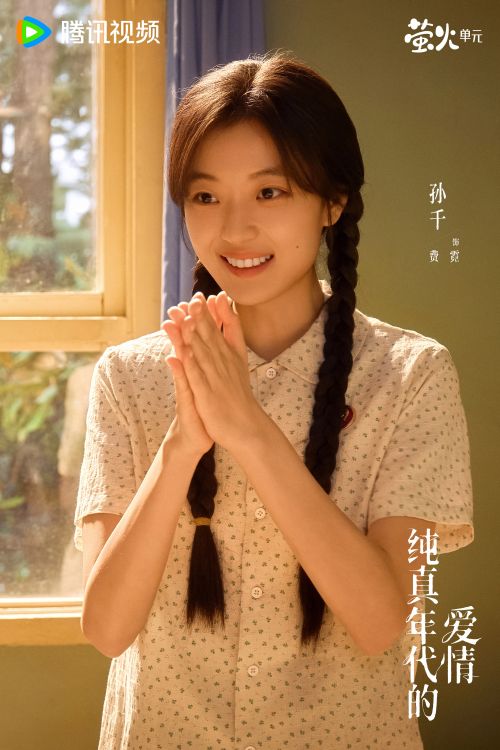
Fei Ni 费霓 Sun Qian 孙千
Young manufacturing worker who has aspirations to go to college
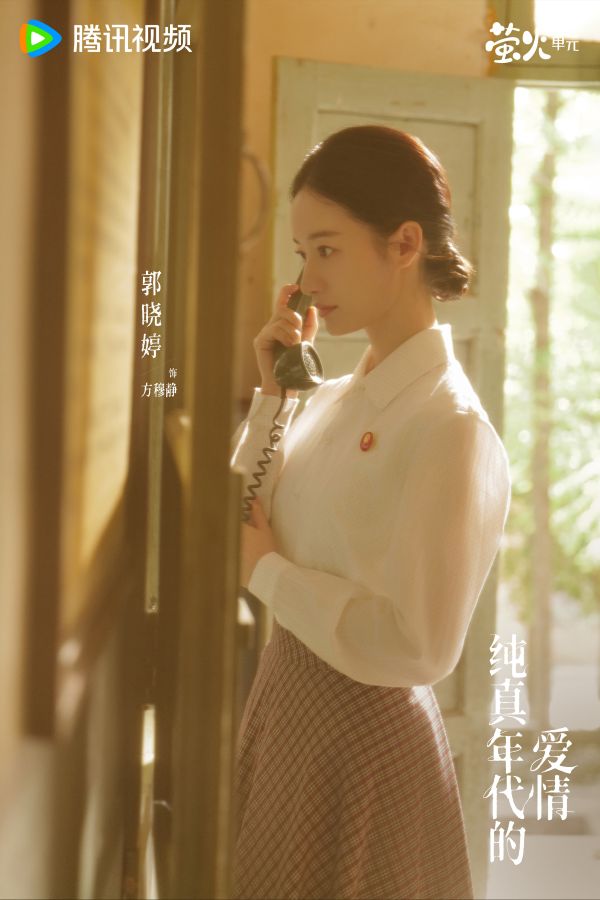
Fang Mu Jing 方穆静 Guo Xiao Ting 郭晓婷
Mathematics researcher and brother to Fang Mu Yang
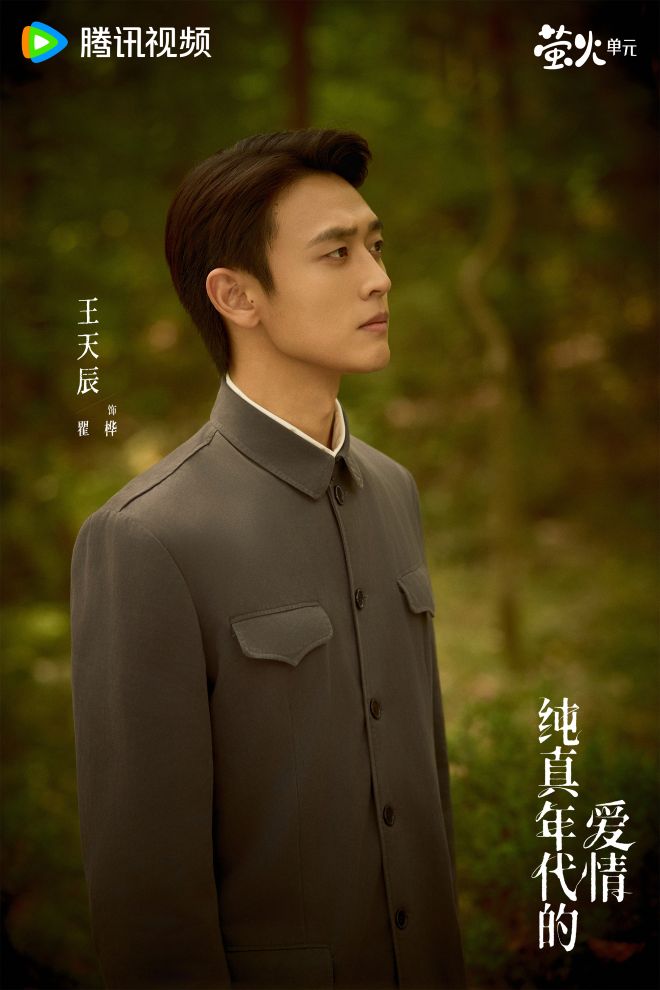
Qu Hua 瞿桦 Wang Tian Chen 王天辰
Surgeon who comes from a heralded military background
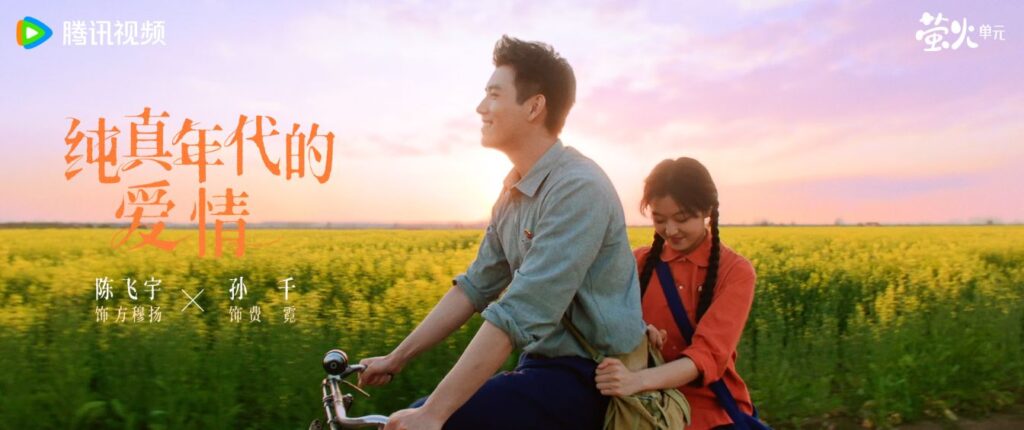
Overall Thoughts
Set in the 1970s, the drama unravels largely around the two families and the romantic storylines of three young couples as they navigate through tumultuous times. There’s different flavors of romance found in the drama that will satisfy different palates. There’s the budding young romance, there’s the marriage of convenience, and there’s the long awaited marriage. This drama should be taken as an idyllic period romance drama rather than a “proper” drama and was a breezy quick watch. The stakes, while real, are never that high.
The drama does offer a thoughtful, if subtle, glimpse into how a turbulent historical period shaped everyday lives. The presence of capable, ambitious female characters and a grounded supporting cast further enrich the viewing experience, giving the series a sense of texture and maturity that elevates it beyond a standard period romance. Chen Fei Yu and Sun Qian headline the drama as the main couple of Fang Mu Yang and Fei Ni but their central narrative lacks cohesion and has some pacing issues. They are largely overshadowed by standout performances from Guo Xiao Ting and Want Tian Chen in the secondary romance.
The drama performed relatively well on CCTV8, with an average rating of 1.9 and breaking the 28000 threshold on Tencent. Chen Fei Yu continues to headline dramas and will have another period fantasy romance drama air in March. Hopefully he’ll be able to continue this momentum.
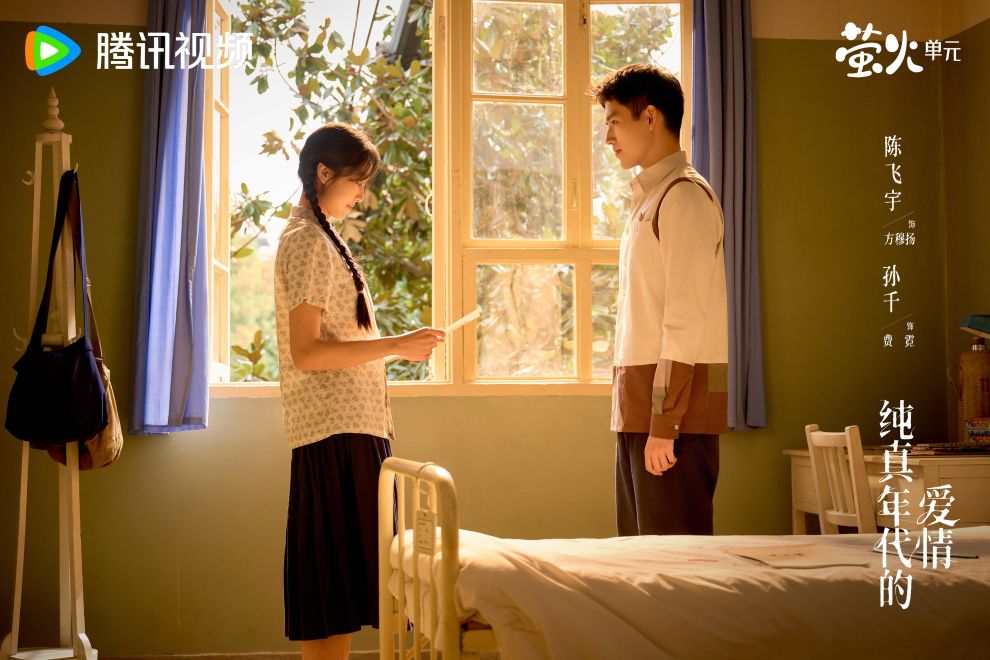
What Worked
- A standout romance (Fang Mu Jing and Qu Hua) that elevates the entire show: The most compelling part of the drama is undoubtedly the romance between Fang Mu Jing and Qu Hua, played by Guo Xiao Ting and Wang Tian Chen. The upright doctor falling for the logical and level headed mathematician is a delicious watch! Guo Xiao Ting delivers a particularly captivating performance, expressing layered emotions beneath a restrained, hardened exterior. Wang Tian Chen complements her perfectly, portraying Qu Hua with a sincerity and moral clarity that feels genuine rather than preachy. Their chemistry is off the charts, and perhaps because the characters are older, are given meatier scenes to work with despite their limited screen time. The two stole the show and caught social media by storm with many posting that they never watched the actual drama, just their cuts. Guo Xiao Ting and Wang Tian Chen had previously acted in a drama together before and both graduated from the Shanghai Theatre Academy. Plenty online are pushing for another drama for the two of them.
- Surprising storylines that showcase the impact of communist China: Set during the final years of the Cultural Revolution, the drama thoughtfully integrates the historical backdrop into its storytelling. While it avoids taking an explicit political stance, it effectively highlights how the era shaped, disrupted, and sometimes destroyed ordinary lives. The series balances its depiction by showing both the idealized communal spirit and the harsher realities: how easily individuals could be reported, and how personal motives such as self-preservation, greed, or jealousy could weaponize the system. It was never an “equal” system. This nuanced approach adds depth, giving the romantic narrative a more grounded and meaningful context.
- Strong, capable women at the center of the story: The drama makes a point to taut that Mao once said that 妇女能顶半边天 or Women hold up half the sky. I won’t delve into the politics, but throughout the series, women are often the educated, professionally secure, and socially influential figures. From a female factory head to multiple female college students, the story consistently presents women as key contributors and primary breadwinners. Importantly, they are not depicted as passive or secondary characters. These women are ambitious, opinionated, assertive, and fully capable of shaping their own destinies. The men, in contrast, are often shown navigating their own paths toward stability, and needing a push from their partners, creating a refreshing reversal of traditional dynamics.
- A strong supporting cast that adds realism and depth: As always, the older cast really carries their weight with their limited screentime to add gravitas and a dose of realism to the drama. Whether that’s Fei Ni’s parents, Fang Mu Yang’s parents, or the older factory workers, they all feel much more comfortable in the world they inhabit, Perhaps its because some of them had to live in these conditions in the their youth. Wu Yue, the actor of Fei Ni’s father, was a special treat because he showcased his martial arts. Wu Yue was a well known martial arts actor and it was great to see him pull out a few moves.
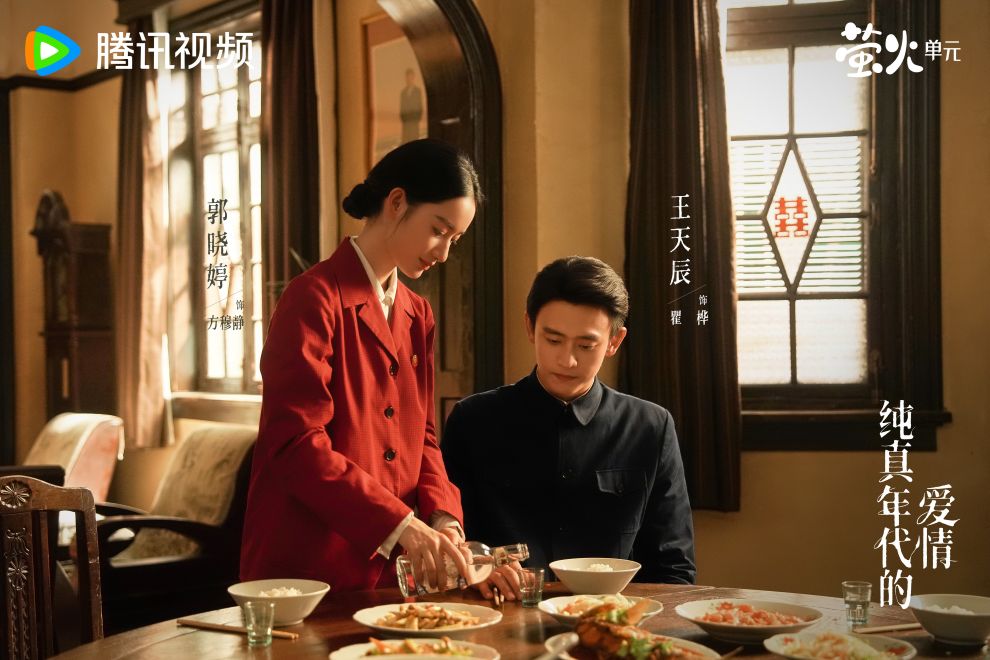
What didn't work
- An uneven performance from Chen Fei Yu: Chen Fei Yu delivers a passable performance as Fang Mu Yang, improving as the drama progresses. However, his early portrayal is difficult to fully buy into. Following the character’s head injury, Fang Mu Yang is played in a way that comes across as overly simplistic, often reduced to constant, almost goofy smiling, which undermines the character’s intelligence. More broadly, Chen Fei Yu seems to struggle with capturing the nuanced personality the role: an earnest, determined, yet witty young man shaped by the 1970s. At times, his performance slips into a more modern “dominant CEO” archetype with his smirks and casual dismissiveness towards other characters. As a result, he often feels out of sync with the grounded, period setting, making him one of the few characters who doesn’t fully blend into the world of the drama.
- Pacing issues and unnecessary filler for the main couple: Despite spanning 29 episodes, the drama suffers from noticeable narrative bloat especially in the main couple’s storyline. Many scenes feel repetitive or stagnant, with extended moments of the couple reflecting on rooftops or walking through fields without meaningfully advancing the plot. This is particularly frustrating because the drama clearly demonstrates, through Fang Mu Jing and Qu Hua’s arc, that the writers are capable of crafting tight, emotionally engaging storytelling. In contrast, the central romance lacks that same focus. A more streamlined approach or a better distribution of screen time to supporting characters would have significantly improved the pacing and overall impact.
- A polished but unconvincing depiction of the 1970s: While the drama makes a sincere effort to recreate a southern Chinese industrial town during the 1970s, its execution feels overly idealized. The setting often appears too clean and comfortable, lacking the grit and scarcity that defined the era. Certain details further break immersion as confirmed by asking my mother. Elements like Western-style restaurants, coffee, red wine, or French fries would have been extremely rare, if not nonexistent, outside major cities such as Shanghai, Guangzhou, or Beijing at the time. Similarly, regular moviegoing as casual entertainment is portrayed unrealistically; film screenings in that period were typically communal events rather than everyday leisure activities. Even though I never lived through the era, the portrayal feels closer to a nostalgic reimagining than a faithful recreation. The overall atmosphere remains just a bit too “nice,” which detracts from the story’s historical authenticity.
- An underdeveloped and repetitive antagonist: The drama introduces a key antagonist with a clear initial motivation, setting up potential for a layered conflict. However, that promise quickly fades. After the early episodes, the character receives little to no further development, yet continues to appear as a persistent source of conflict. Without deeper exploration of her motivations or evolution, her actions begin to feel repetitive and unjustified. Over time, her presence shifts from compelling tension to simple frustration, as she repeatedly causes problems without adding meaningful depth to the narrative.