Review: Love Between Lines (2026) 轧戏
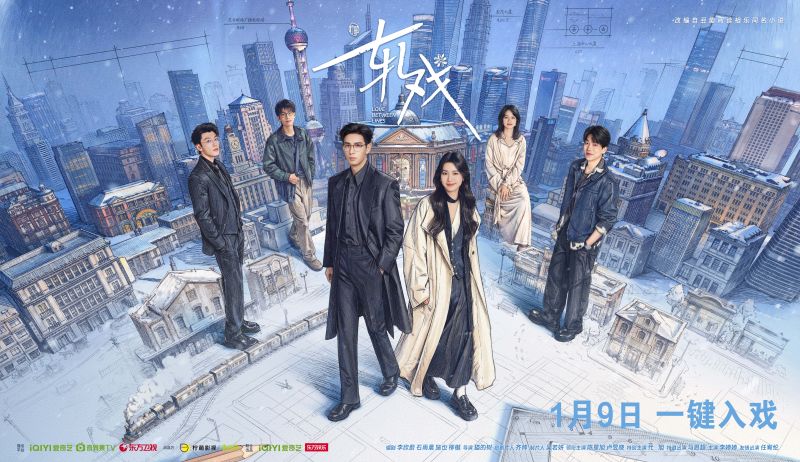
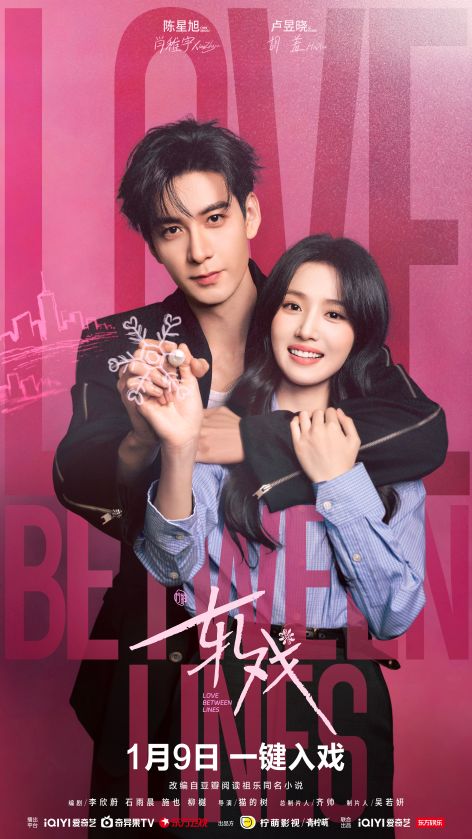
Summary: Hu Xiu, played by Lu Yu Xiao, has spent three years working as an executive assistant despite aspiring to become an architect in college. At the suggestion of her friend Zhao Xiao Rou, she plays an immersive role-playing experience called Midnight Express. Inside the game, Hu Xiu meets the enigmatic and handsome NPC Qin Xiao Yi (known in the real world as Xiao Zhi Yu played by Chen Xing Xu). Expecting a standard in-game guide, she instead encounters a sharp-tongued, cunning, and ruthless strategist. Determined to outplay him, Hu Xiu continues returning to the game, only to find that their connection extends beyond the virtual world. Their paths intertwine personally and professionally and gradually evolves into romance.
Platform: iQiYi / Dong Fang TV
Episodes: 28
Airing Date: Jan 9, 2026
Final Rating: 6.9/10 – Despite still including many problematic tropes of Chinese idol romance dramas, this drama is enjoyable enough as it cleverly incorporates immersive themed-role playing into the plot. Chen Xing Xu and Lu Yu Xiao have decent chemistry but one supporting character completely steals the spotlight.
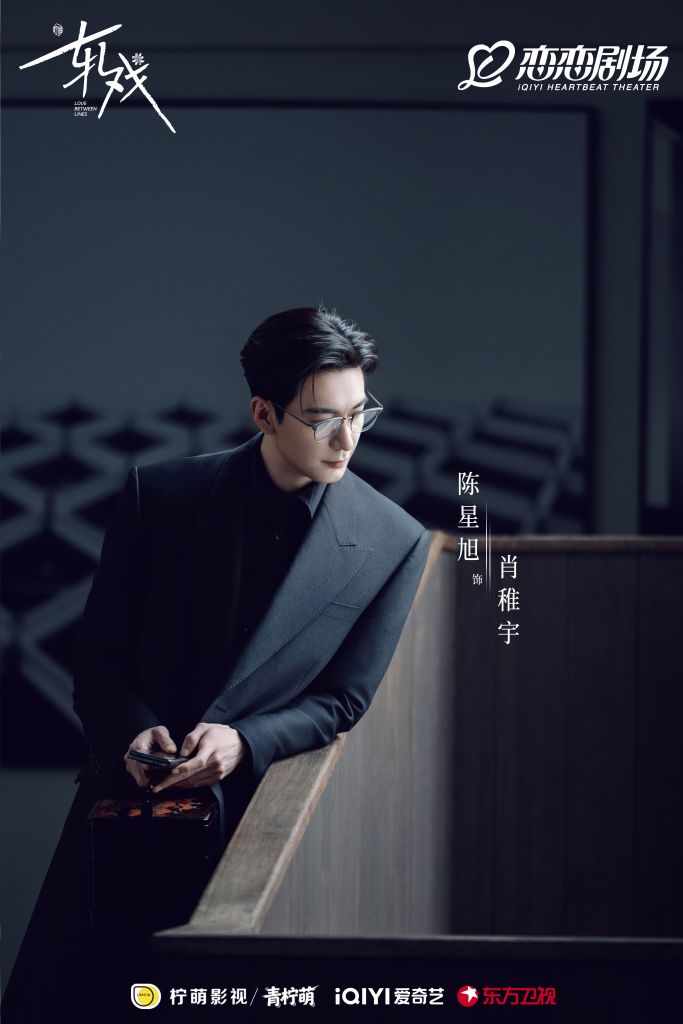
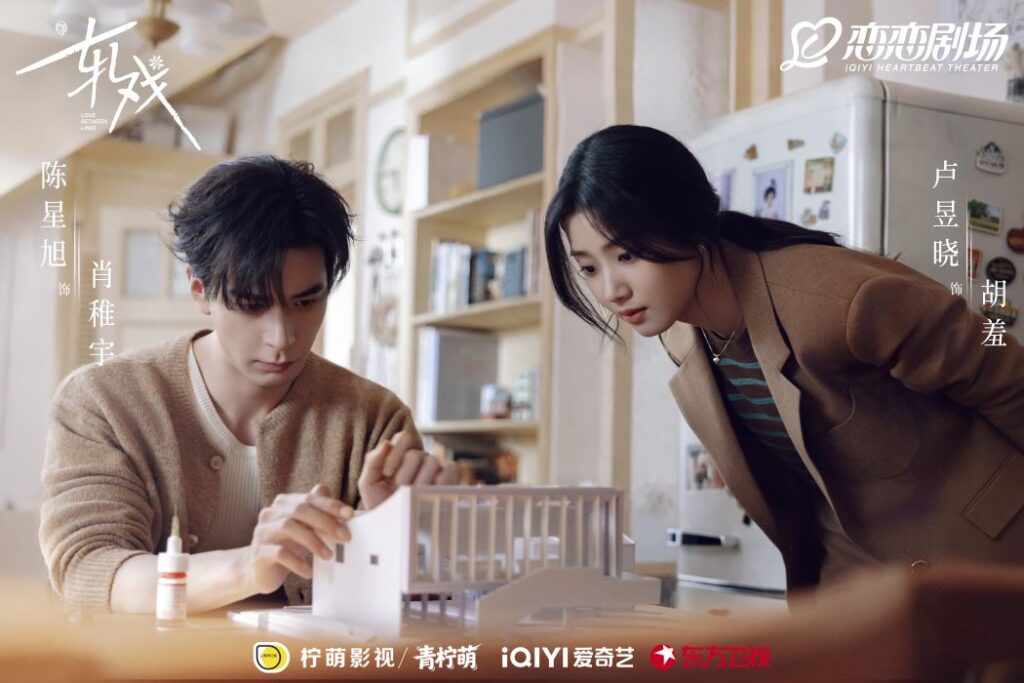
Xiao Zhi Yu 肖稚宇 Cheng Xing Yu 陈星旭
Architect and NPC actor for the role playing game Midnight Express
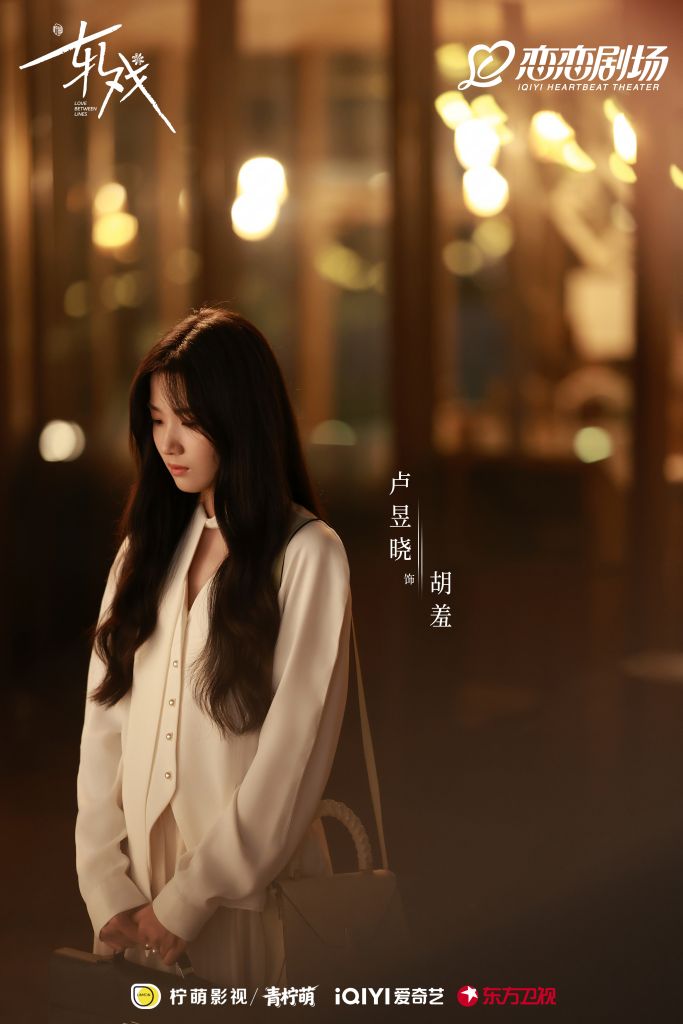
Hu Xiu 胡羞 Lu Yu Xiao 卢昱晓
Aspiring architect and avid player of Midnight Express
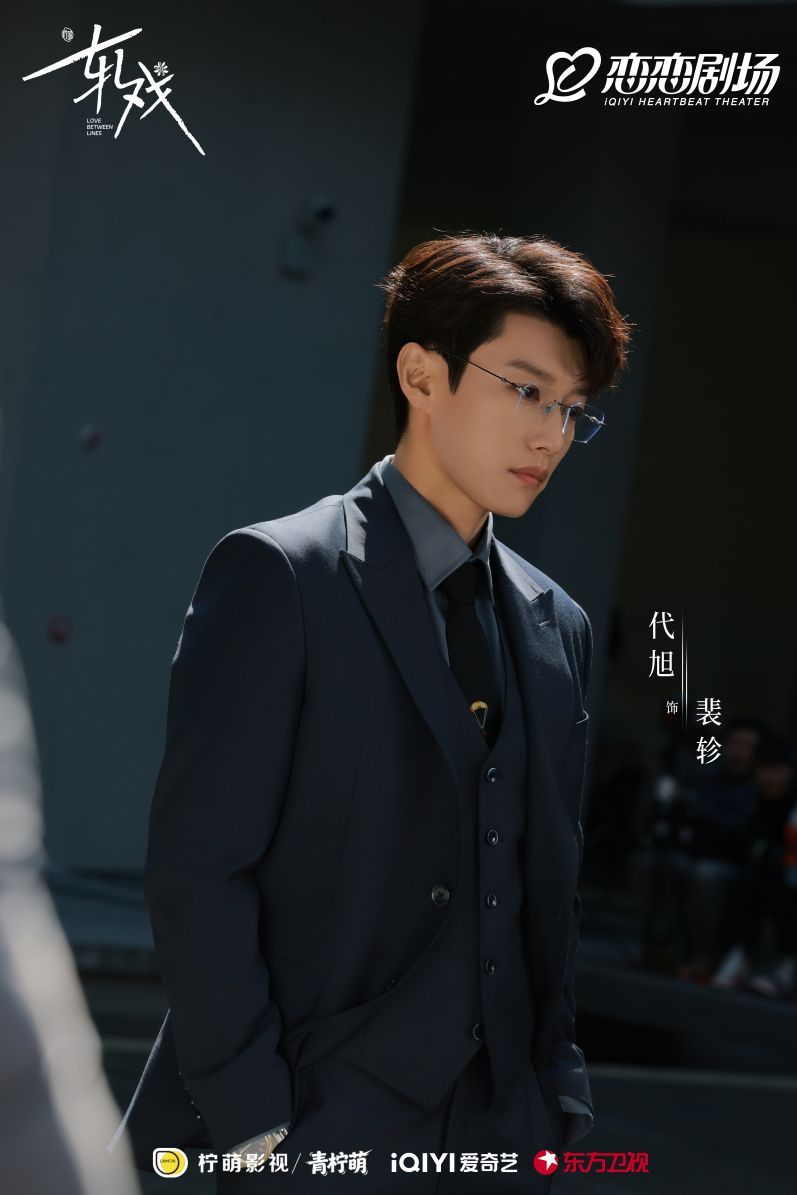
Pei Zhen 裴轸 Dai Xu 代旭
Successor of the Zhu Ling Corporation
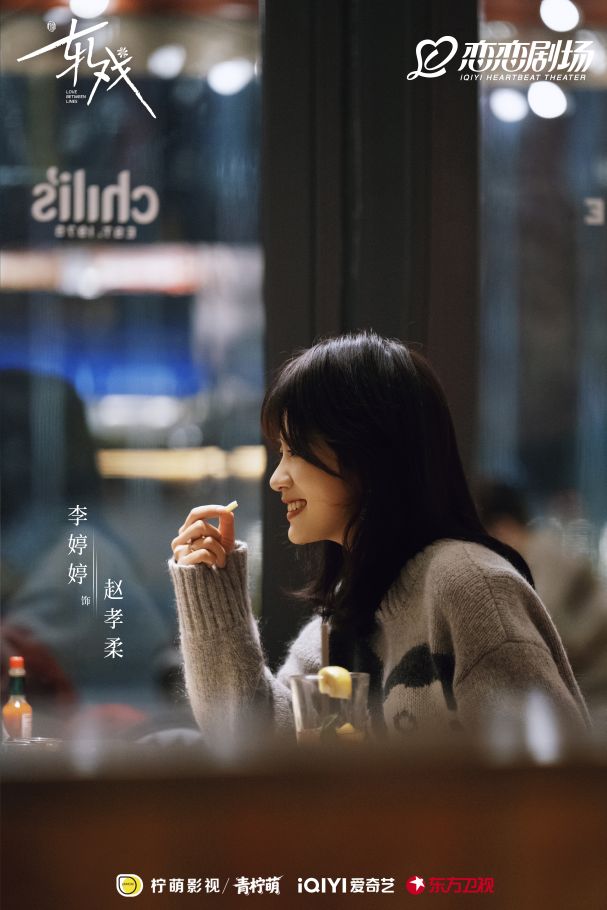
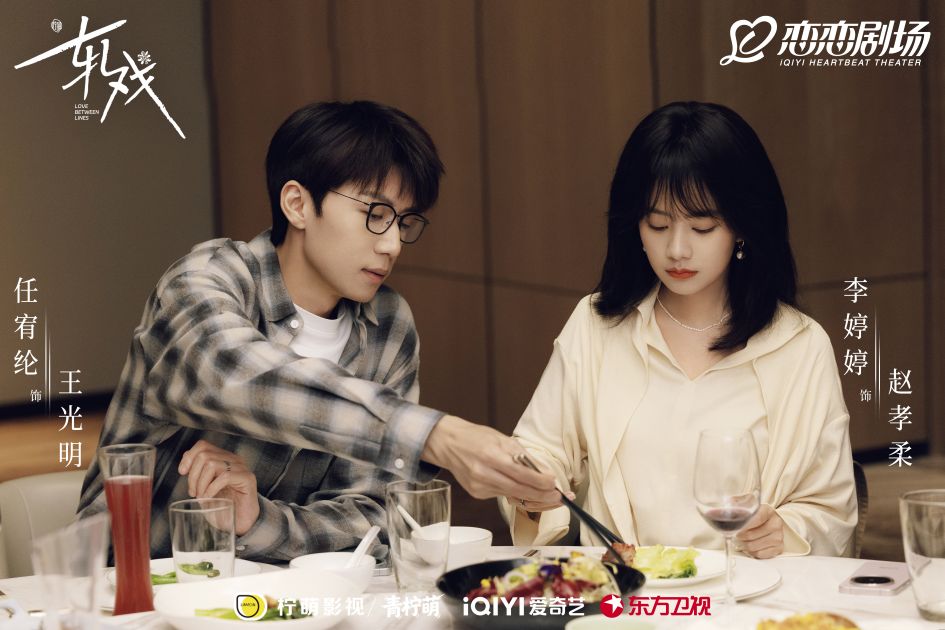
Zhao Xiao Rou 赵孝柔 Li Ting Ting 李婷婷
Coffee shop owner and best friend of Hu Xiu
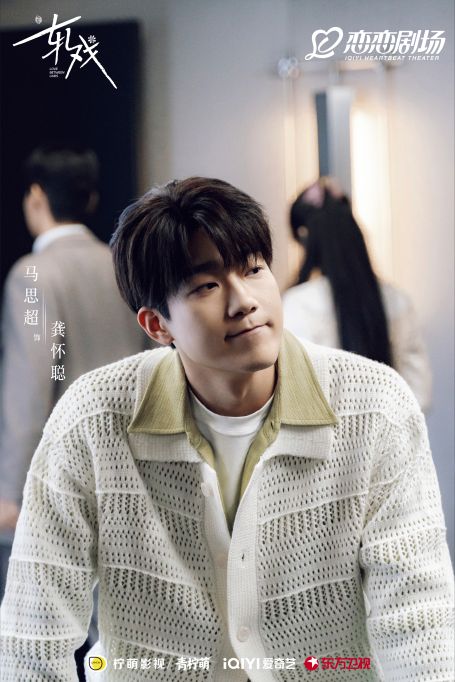
Gong Huai Cong 龚怀聪 Ma Si Chao 马思超
Co-owner and creator of Midnight Express
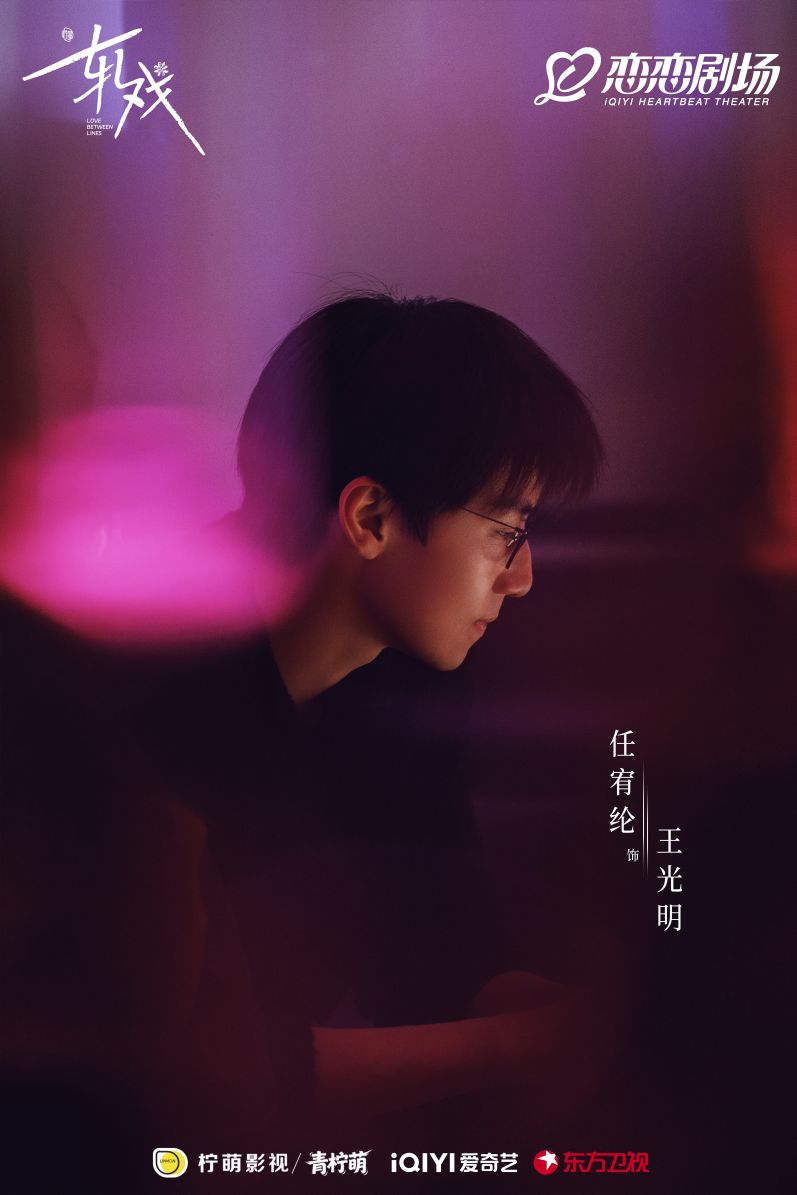
Wang Guang Ming 王光明 Ren You Lun 任宥纶
Zhao Xiao Rou's husband
Overall Thoughts
Following his modern monster thriller late last year, Chen Xing Xu returns to the modern idol romance genre, while Lu Yu Xiao brings her hometown charm that complements the drama’s Shanghai backdrop. Both leads deliver competent performances, and their chemistry heats up as the story progresses. However, the characterization of the central romance raises concerns. The drama frequently frames Xiao Zhi Yu’s possessiveness and manipulative tendencies as romantic devotion and jealousy, even though many of his actions would be considered troubling in real professional or personal settings. Meanwhile, Hu Xiu’s ambitions are often sidelined, reducing her career goals to being dependent on her volatile boss.
The drama does offer several highlights. I thoroughly enjoyed being “immersed” in the Midnight Express role playing game and it captures the excitement and theatrical dedication of both players and NPCs. The immersive storytelling within the game adds a playful and engaging dimension that stands out from the main plot. Additionally, Dai Xu delivers a compelling performance as Pei Zhen, portraying the character’s flaws with nuance. Zhao Xiao Rou’s storyline also becomes increasingly engaging toward the latter half, adding emotional weight and balance to the narrative.
Overall, the drama is a straightforward but occasionally problematic romance that remains entertaining thanks to its immersive gaming concept and supporting characters. While it has enough appealing elements to keep viewers engaged, its romantic messaging is best approached with a critical lens.
Unfortunately, this drama didn’t gain much traction. It barely breached 8600 on iQiYi’s popularity index and viewership has not yet reached 15M per episode. It didn’t help that there was a lot of social media fighting between the fans of the leads so that put a damper in a lot of the promotional materials.
What I Liked
- Midnight Express! A Creative and Engaging Premise: One of the drama’s biggest strengths lies in its central concept of Midnight Express. The Chinese title, 轧戏 (Ga Xi), literally refers to moving between different performance sets, cleverly reflecting how the story unfolds through an immersive role-playing game where the main characters first meet. The game itself is a fascinating premise. Participants spend several hours completing missions while competing against other players and attempting to survive within the storyline. The possibility of multiple roles and endings gives the concept impressive replay value. The production team clearly invested significant effort into building elaborate sets to portray the scale and excitement of the immersive game environment, and the result is visually engaging and entertaining. Having experienced highly interactive escape room games in China, the portrayal felt especially appealing and believable. The Midnight Express segments added a refreshing sense of creativity and energy that kept the drama engaging.
- Thoughtful Character Growth and Relationship Development: The drama also benefits from allowing its leads, Xiao Zhi Yu and Hu Xiu, to grow individually before fully committing to their romantic storyline. Rather than rushing their relationship, the narrative takes time to intertwine their personal and professional lives, allowing both characters to confront their own challenges and evolve naturally. This gradual development strengthens the emotional foundation of their relationship. Additionally, several of the mystery plotlines are executed effectively, delivering twists that feel surprising.
- Dai Xu as Pei Zhen: Dai Xu arguably emerges as the standout performer of the drama through his portrayal of Pei Zhen. During the show’s run, his character frequently generated online buzz, and his performance justifies the attention. Pei Zhen is introduced as an ambitious corporate rival willing to engage in ethically questionable tactics, including corporate espionage, to gain an advantage. However, Dai Xu skillfully balances the character’s ruthless ambition with moments of vulnerability, adding emotional depth and complexity. Pei Zhen’s motivations stem from his desire to earn his father’s approval, yet his lack of proper guidance leads him down destructive paths. Despite his antagonistic role, he remains capable of genuine respect and loyalty toward those he values. Importantly, the character never crosses into anti-hero territory but instead remains a compelling example of someone shaped by misguided priorities.
- Just enough professionalism: Compared to many modern romance dramas, this series presents a relatively believable depiction of professional environments. The portrayal of architecture, engineering, and construction processes feels grounded and credible, avoiding many of the exaggerated or unrealistic workplace scenarios common in the genre. It was also clever enough to dive too deep into any of these aspects. The inclusion of competitive bidding processes, such as Requests for Proposals (RFPs), and the collaboration between design firms and contractors adds authenticity to the narrative. Director Zhou stands out as a particularly strong professional figure. She is portrayed as intelligent, decisive, and capable. Qualities that bring a welcome sense of realism and authority to the workplace setting. The drama could have benefited from featuring more characters with similar professionalism and leadership presence.
- Zhao Xiao Rou’s Arc: Zhao Xiao Rou’s storyline develops more prominently in the latter half of the drama, but her character arc is handled with impressive clarity and efficiency. While she encounters personal and professional setbacks, she approaches them with determination and resilience, allowing her growth to feel genuine and rewarding. By the conclusion, she emerges as one of the most satisfying characters in the series. In many ways, Zhao Xiao Rou’s straightforward and confident development highlights the contrast with Hu Xiu’s more complicated growth trajectory, leaving me wishing Hu Xiu’s journey had been handled with similar decisiveness.
What Could Have Been Better - WARNING SPOILERS
- A Controlling CEO Trope Disguised as a “Sweet Romance”: Continuing the long-standing “overbearing CEO falls in love with employee” formula, this drama presents itself as a 甜宠剧 (sweet romantic drama), but many of its romantic elements carry troubling undertones. Xiao Zhi Yu, portrayed as the handsome, brilliant, and powerful male lead, repeatedly crosses boundaries both personally and professionally under the guise of romance. There are several times where Xiao Zhi Yu completely ignores Hu Xiu’s wishes and just steamrolls over her and acts based on what he thinks is “right”. One notable example occurs when he forces Hu Xiu to attend a wedding as his date simply because she is his employee. At the wedding, he interferes in her personal matters publicly without considering whether she wants his involvement. While the drama frames his actions as heroic and romantic, they ultimately stem from his unilateral decision-making rather than genuine communication or respect for Hu Xiu’s autonomy. Yes, I was frustrated by Hu Xiu’s meekness in the situation, but ultimately the choice of how to handle her personal affairs should remain hers. Instead, Xiao Zhi Yu repeatedly steps in as the CEO who “rescues” his subordinate. Xiao Zhi Yu jealousy’s toward Pei Zhen further reinforces his possessive tendencies. Xiao Zhi Yu frequently projects his moodiness onto Hu Xiu for simply performing her job professionally, forcing her to constantly tiptoe around his volatile emotions. The drama never meaningfully addresses the inherent power imbalance the two of them, even after they enter a romantic relationship. Xiao Zhi Yu remains secretive until the very end of the drama, and by the drama’s conclusion, he faces few consequences for withholding critical information. It’s Hu Xiu and her family who have to bear the repercussions. It is not surprising that online audiences have grown increasingly critical of such romantic tropes, which may partially explain the drama’s underwhelming reception.
- Mixed performances from the leads: Chen Xing Xu’s performance can be deemed as having highs and lows. He is particularly captivating when portraying the NPC Qin Xiaoyi, where his character’s charm and cunning come through effectively. Unfortunately, as Xiao Zhi Yu, there are many times where he seems rather bored with the whole endeavor, much more often than what the drama required. There also isn’t a ton of nuance in his portrayal as Xiao Zhi Yu, especially when he’s supposed to be jealous over Hu Xiu. As for Lu Yu Xiao, she needs to improve her enunciation. She continues to mumble her way through many of her scenes. Given that her character is a Shanghai native and the setting prominently features Shanghai’s traditional housing culture, it is disappointing that she incorporates little Shanghainese flavor into her performance. Additionally, she displays several recurring acting mannerisms that appear across multiple roles, limiting her ability to fully differentiate her characters. While she remains watchable, there is clear room for growth and versatility in her acting approach.
- Questionable and Distracting Costume Choices: This drama continues the puzzling trend of uninspired and outright questionable clothing. A particularly baffling example occurs during the same wedding scene as discussed earlier, Hu Xiu attends as a guest but chooses to wear an entirely white outfit. Given that wearing white to a wedding is widely considered culturally inappropriate in China, the decision feels distracting and illogical. The wardrobe choice never becomes a narrative point, but it completely stood out to me as a viewer. Hu Xiu’s professional attire is equally perplexing. The costume design appears intent on emphasizing her “inexperienced newcomer” image by placing her in noticeably casual outfits, often pairing mini-skirts with oversized blazers. While casual workplace attire is not inherently problematic, Hu Xiu frequently stands out awkwardly as the only employee dressed this way, while her colleagues consistently wear well-fitted professional suits. This inconsistency becomes even more apparent when compared to characters her own young female colleagues. Seasoned professionals like Pei Zhen and Director Zhou, have wardrobes that effectively reflect their professional stature. The discrepancy suggests that the issue is not the costume team’s ability, but rather inconsistent styling decisions for the female lead. Ironically, Chen Xing Xu looks particularly striking in formal suits, yet he rarely wears them, further contributing to the overall missed opportunities in character presentation.