Review: The Lead (2026) 主角
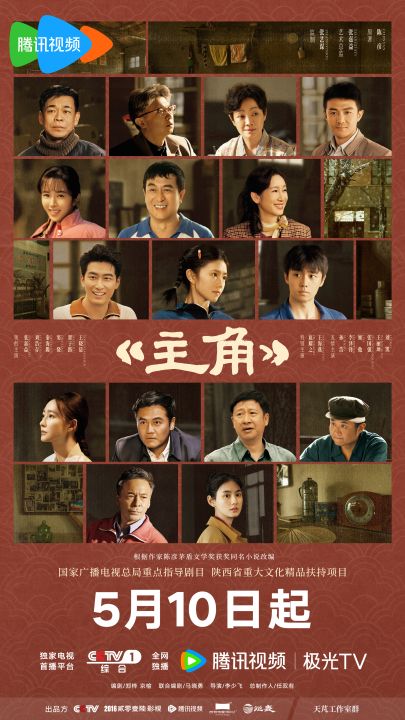
Summary: In the 1970s, a local county Qin Qiang opera troupe was recruiting trainees. Hu San Yuan (ft Zhang Jia Yi), the troupe’s drummer, hoping to improve his niece’s living circumstances, brings her to audition. He changes her name to Yi Qin E (ft Liu Hao Cun) and asks his good friend Hua Cai Xiang (ft Qin Hai Lu) to teach the young girl the basics. Yi Qin E’s path to learning Qin Opera is filled with obstacles and hardships. Despite these setbacks, through her determination, hard work, and natural talent, she also caught the eye of four veteran artists who saw her potential and generously guided her, learning the traditional methods to become a Wu Dan (Warrior Maiden). With the changing of the times, she has the opportunity to perform on stage and astonishes audiences throughout the mountain villages with her skill. Her life changes as she is thrust into the limelight and must learn the true meaning of being The Lead.
Platform: CCTV 1, Tencent
Episodes: 48
Airing Date: May 01, 2026
Rating: 7.8/10 – A beautifully crafted historical drama that chronicles the evolution of Qin Qiang opera and the changing place of traditional performing arts in Chinese society of the past 5 decades. Through the life of Yi Qin E, the series examines the challenges of preserving cultural heritage amid political upheaval, economic reform, and rapid modernization. While some narrative choices weaken the central character’s agency and certain storylines overstay their welcome, the drama succeeds as a moving tribute to the artists and mentors who dedicated their lives to ensuring the survival of this uniquely Chinese art form.
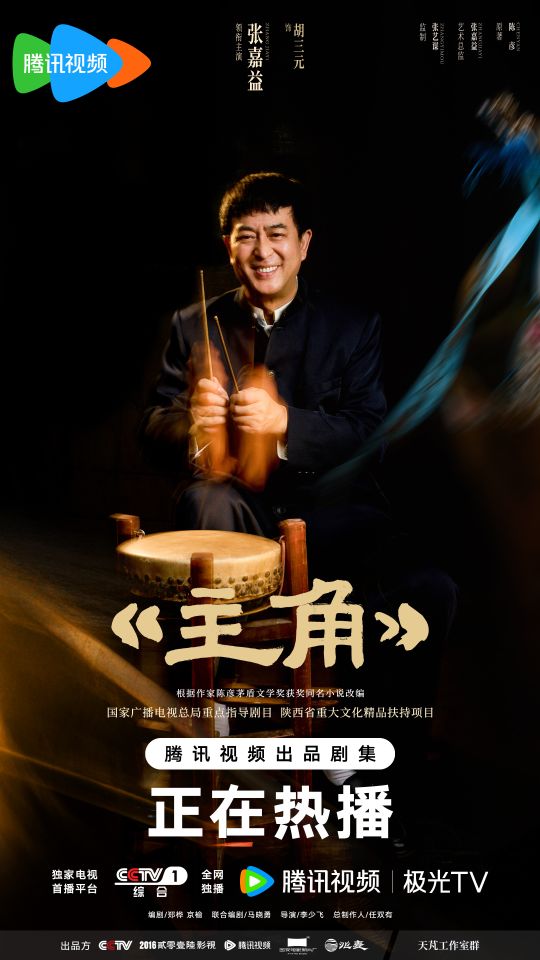
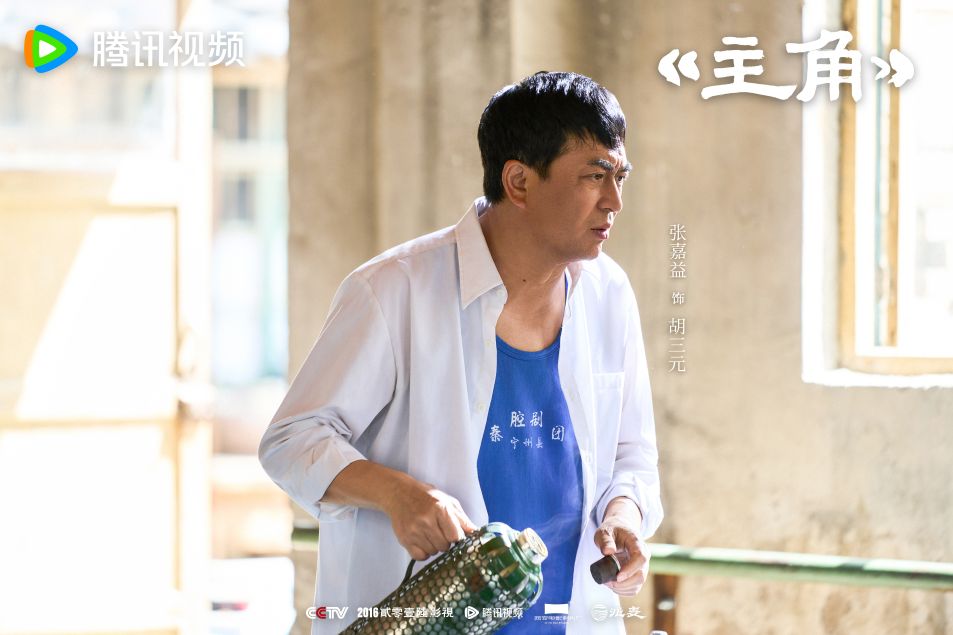
Hu San Yuan 胡三元 Zhang Jia Yi 张嘉益
Drummer for the Ning Zhou Drama Troupe
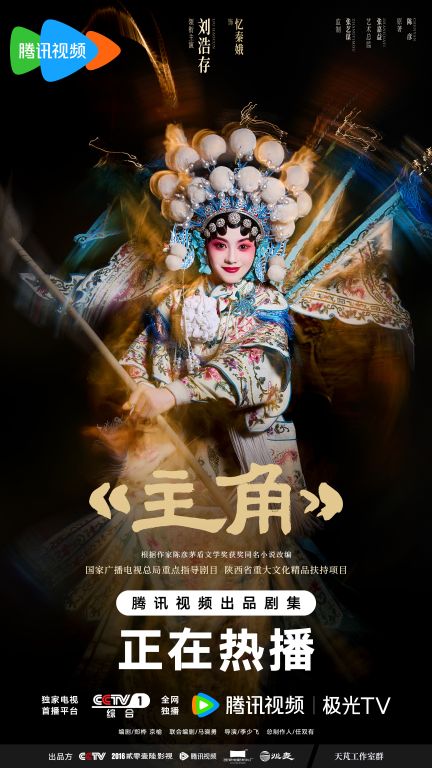
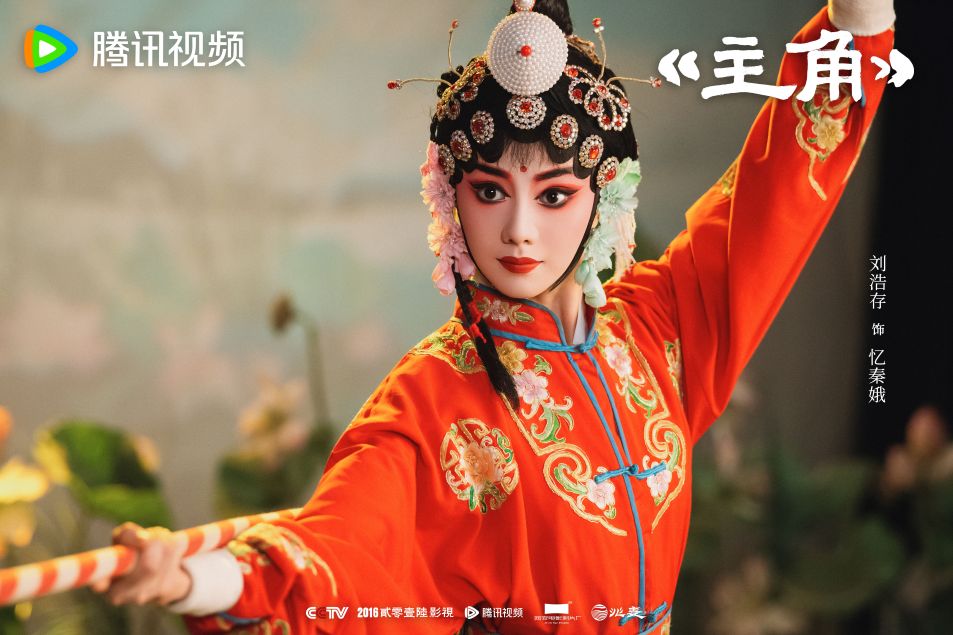
Yi Qin E 忆秦娥 Liu Hao Cun 刘浩存
Niece of Hu San Yuan who is brought to the drama troupe
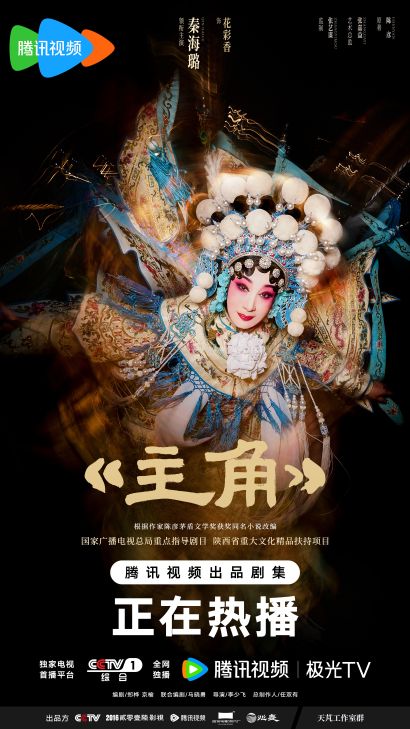
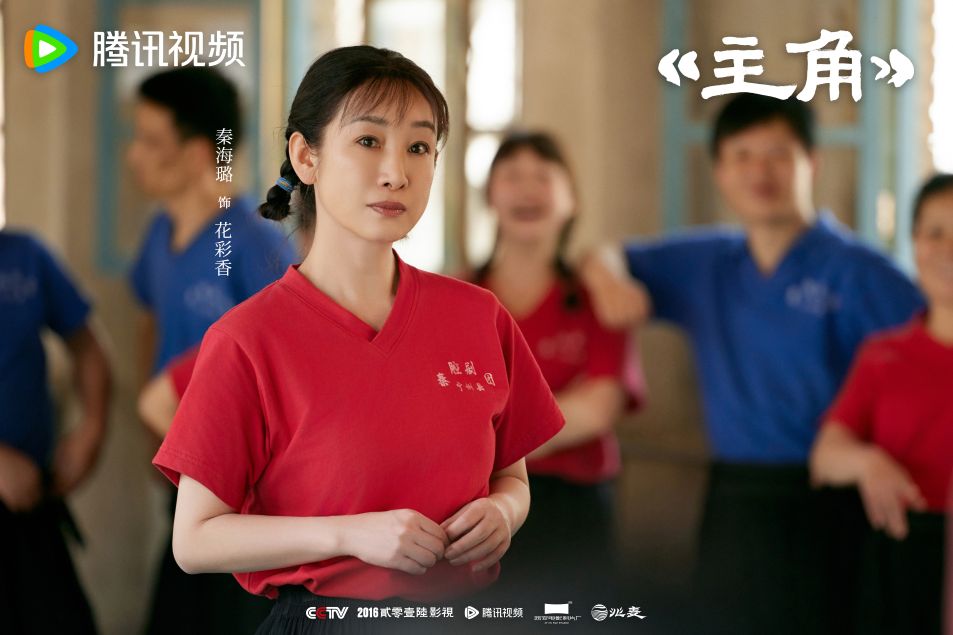
Ye Xian 花彩香 Dong Si Cheng 秦海璐
Lead Qin Qiang (Qin Opera) singer of the drama troupe
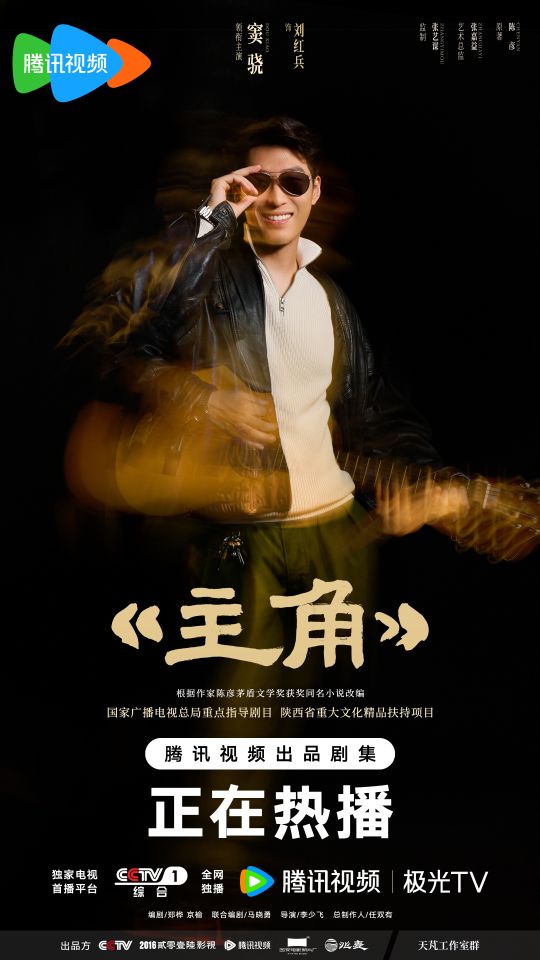
Liu Hong Bin 刘红兵 Dou Xiao 窦骁
Ex-military man who is infatuated with Yi Qin E
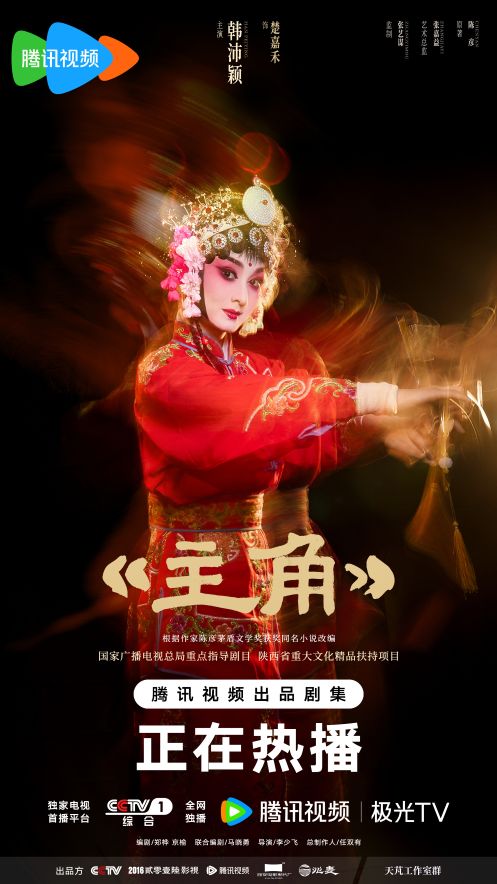
Chu Jia He 楚嘉禾 Han Pei Yin 韩沛颖
Young apprentice in the drama troupe and rival to Yi Qin E
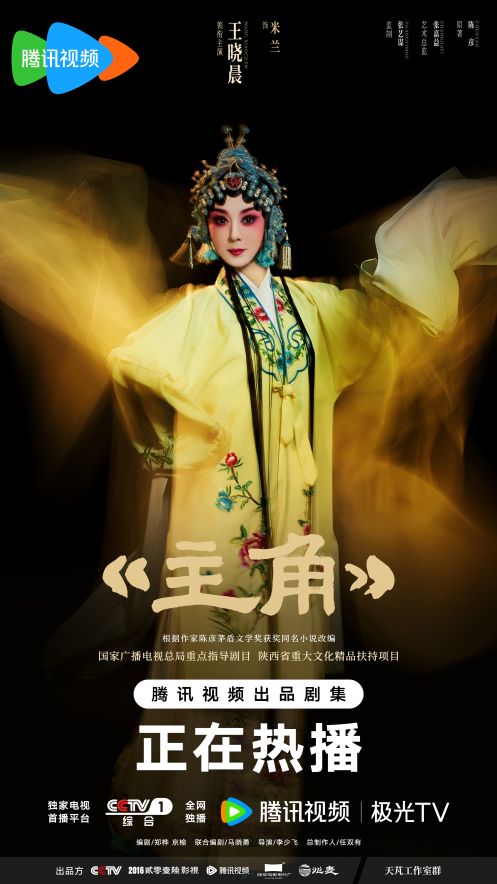
Chen Yan Yun 米兰 Ci Sha 王晓晨
Qin Qiang singer who's always in Hua Cai Xiang's shadow
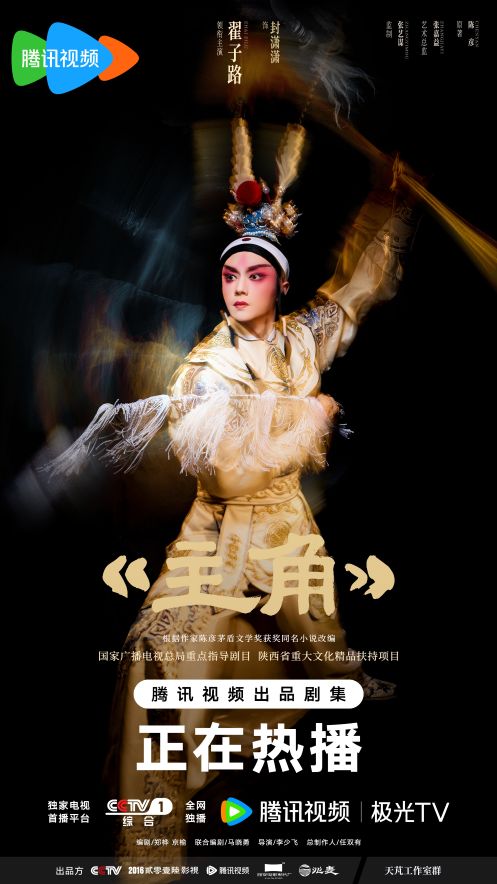
Feng Xiao Xiao 封潇潇 Zhai Zi Lu 翟子路
Young apprentice in the drama troupe who has a crush on Yi Qin E
Overall Thoughts
Based on the award-winning 2018 novel of the same name, the drama traces the life of Yi Qin E, a fictional Qin Qiang opera performer who rises from humble beginnings as a farmer’s daughter to become one of the most celebrated opera stars of her generation. Her personal journey unfolds against the backdrop of China’s transformation from the 1970s onward, encompassing shifting political climates, economic reforms, and changing cultural tastes. While Yi Qin E serves as the narrative’s central figure, the drama’s true focus lies in the fate of Qin Qiang itself, a traditional art form fighting to survive in a rapidly modernizing society.
Originating in Shaanxi Province, the historic heartland of the ancient Qin Kingdom, Qin Qiang is one of China’s oldest and most influential opera traditions. Its powerful vocal style and distinctive performance techniques spread across the country through centuries of trade and cultural exchange, reaching particular prominence during the Qing Dynasty. Although it remains deeply rooted in northwestern China today, Qin Qiang receives relatively little mainstream attention in an era dominated by pop idols, television celebrities, and digital entertainment. The drama seeks to bridge that gap, introducing modern audiences to both the beauty of the art form and the immense discipline required to master it.
More than a biographical narrative, the series functions as a meditation on chuan cheng (传承), the transmission of cultural heritage across generations. Through the experiences of performers, mentors, and troupe leaders, it explores the sacrifices required to preserve tradition through political upheaval, changing audience tastes, and economic uncertainty. The story’s greatest strength lies not in its romantic subplots, but in its depiction of artistic dedication, mentorship, and the enduring commitment of those who refuse to let a centuries-old tradition disappear. The production is elevated considerably by its veteran cast, whose performances bring authenticity and emotional weight to the material. Their portrayals of opera performers, teachers, and cultural guardians ground the series in a sense of lived experience and historical reality. As a result, the drama often feels less like a conventional character study and more like a collective portrait of the people who sustained Qin Qiang through decades of change.
While the series is rich in cultural and historical texture, it is less successful in its characterization of Yi Qin E herself. Despite being the protagonist, she often functions more as an observer of events than a driver of them, reacting to the changing world around her rather than actively shaping her own destiny. Consequently, the emotional center of the drama lies less with Yi Qin E as an individual and more with the larger story of Qin Qiang’s survival. In that sense, the series invites comparison to films such as Farewell My Concubine, which similarly used the lives of performers to explore the fate of Chinese opera during periods of immense social change. However, where that film remains anchored in the tragic complexity of its central characters, this drama leaves its strongest impression through its celebration of cultural preservation.
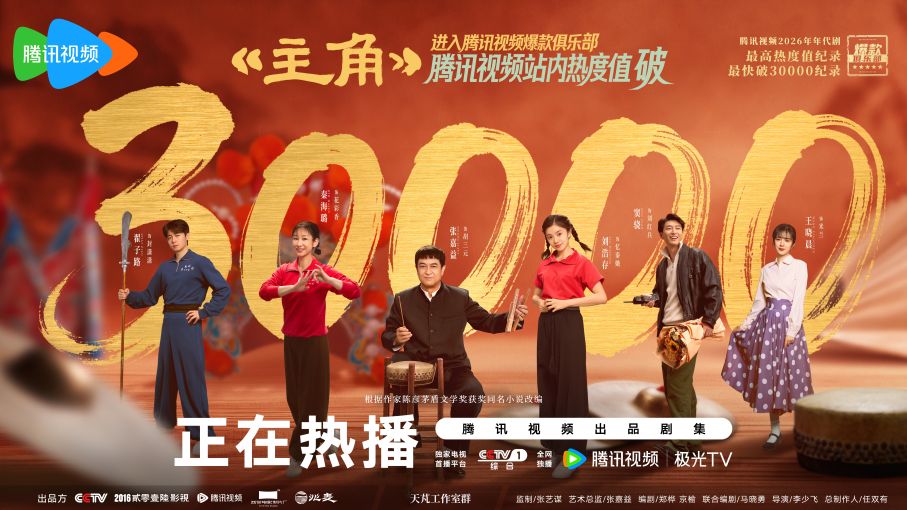
Executive produced by Zhang Yi Mou, whose long-standing collaborations include several members of the cast such as Zhang Jia Yi, Qin Hai Lu, Liu Hao Cun, and Dou Xiao, the drama reflects a clear reverence for traditional Chinese performing arts. Since airing, the drama has won over Chinese audiences, topping 4% on CCTV 1 and breaching 30,000 on Tencent’s popularity index. Its strong reception demonstrates that there remains a substantial appetite for thoughtful, culturally grounded storytelling. Ultimately, this is a heartfelt and ambitious tribute to one of China’s oldest artistic traditions
What I Liked
- Thoughtful Casting with Chinese Opera / Dance Backgrounds: One of the drama’s greatest strengths is its casting. Given its focus on Qin Qiang opera, the production benefits enormously from selecting actors with backgrounds in Chinese opera or dance. Their training lends authenticity to both the performances and the physicality required of the role. Liu Hao Cun trained as a dancer from the age of 4 and was accepted in the traditional dance at the Beijing Dance Academy before being selected to act in Zhang Yi Mo’s movie One Second. Qin Hai Lu famously trained as a Dao Ma Dan (刀马旦) or a female character type trained in martial arts in Peking opera in her youth before choosing to studying at the The Central Academy of Drama. Wang Xiao Chen also trained as a Dao Ma Dan and had the opportunity to attend the National Academy of Chinese Theatre Arts before ultimately choosing to attend the Shanghai Theater Academy. The result is a level of realism that would have been difficult to achieve through acting alone, particularly during the rehearsal and performance sequences.
- A Powerful Showcase of Qin Qiang Opera: Perhaps the drama’s most significant achievement is its commitment to presenting Qin Qiang opera as both an artistic triumph and a demanding profession. The series does not romanticize the path to becoming an opera performer.
In history, opera singers were looked down in society because they were performers. Traditionally, it was mainly poor people who had no choice that turned to becoming opera singers. For many young kids, this was their only chance at a better life because being a top opera singer meant fame and fortune. The drama highlights the physical hardship, fierce competition, and sacrifices required to reach the stage. Children begin training at a young age, countless hopefuls never advance beyond the apprentice level, and performers face constant pressure to preserve their voices, bodies, and technical skills. Many former Chinese opera singers including Qin Hai Lu, have said in interviews just how hard it was to train to become “stage ready”. At the same time, the drama never loses sight of why generations over the centuries devoted themselves to the art. The elaborate costumes, striking makeup, and emotionally charged performances capture the beauty and exhilaration of traditional opera. By presenting both the hardship and the reward, the series offers one of the most comprehensive depictions of Chinese opera seen in television drama in recent years. - A Meaningful Exploration of Cultural Preservation: At its core, the drama is a story about chuan cheng (传承), the passing down of tradition from one generation to the next. Beginning in the 1970s and spanning several decades, the narrative begins with a local county opera troupe as China undergoes profound social and economic transformation. The series illustrates how changing political climates, shifting public tastes, and increasing exposure to global culture continually challenge traditional art forms. In the early 1970s, because of the Cultural Revolution, the opera troupes could only perform pro-communist operas written in the last 2 decades. When the Cultural Revolution ended, the restrictions relaxed and the government welcomed the return of the old operas. Rather than focusing on political commentary, the drama centers on the individuals who fought to preserve Qin Qiang through changing times. Whether safeguarding costumes, maintaining performance traditions, or mentoring younger generations, the characters embody the belief that cultural heritage survives only when it is actively passed on. The story feels particularly relevant today, as traditional Chinese opera experiences renewed interest among younger and broader audiences.
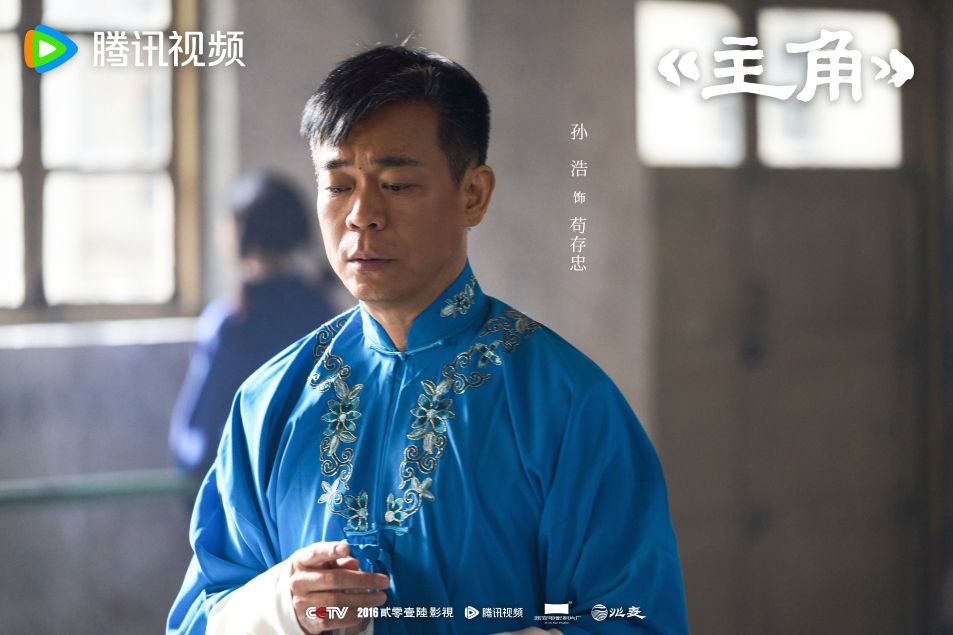
- Veteran Actors Anchor the Drama: The emotional weight of the series rests largely on the shoulders of its veteran cast, who consistently deliver the strongest performances in the production. Actors such as Zhang Jia Yi and Qin Hailu bring authenticity, gravitas, and lived-in realism to their roles. Their characters feel fully integrated into the historical setting and provide the emotional foundation upon which the story is built. As the drama progresses through Yi Qin E’s life, all of the mentors she encounters are brought to life by beautiful performances from veteran actors. A particular standout is Sun Hao as Gou Cun Zhong. His portrayal of a former nandan performer, male actors trained to play female roles, is nuanced and deeply respectful of the art form. Throughout the series, the older generation of characters emerges as the true guardians of Qin Qiang, each protecting and transmitting the tradition in their own way.
What Could've Been Better
- An Overly Passive Central Protagonist: Despite serving as the narrative focal point, Yi Qin E often feels more like an observer of events than an active participant in shaping them. Much of her journey is driven by the actions and sacrifices of those around her rather than by her own decisions. Opportunities frequently arrive because mentors, family members, or admirers fight on her behalf, making her feel less like the architect of her success and more like the beneficiary of others’ efforts. While this may reflect aspects of the historical period and the communal nature of opera training, it ultimately limits her development as a protagonist. As a result, Liu Hao Cun shines most during the opera performances themselves, where the character’s talent is undeniable, rather than during the dramatic portions of the story. Obviously, she has the skills through tireless training to become The Lead, but I didn’t find her story very interesting. Because of this, I can’t really judge Liu Hao Cun’s acting because I don’t think she’s given much acting to do.
- Unnecessary and prolonged screentime for love interests: The romantic storylines contribute little to the drama’s central themes and often feel unnecessarily prolonged. Several love interests follow similar narrative patterns, with male characters devoting significant time and energy to pursuing Yi Qin E while receiving relatively little development themselves. These storylines frequently repeat the same emotional beats and occasionally distract from the more compelling material surrounding the opera troupe and its struggle for survival. More importantly, some of Yi Qin E’s early career opportunities appear linked to the efforts of these men rather than her own merit, which unintentionally undermines the character’s accomplishments.
- Uneven Handling of Time Progression: As the drama moves through multiple decades, its portrayal of time becomes increasingly inconsistent. While the historical backdrop evolves dramatically, many characters appear emotionally and behaviorally frozen despite the passage of years. By the 1990s, Yi Qin E should be a mature, established figure within the opera world, yet she is often treated much the same way she was earlier in the story. The later decades are presented in broader strokes, lacking some of the rich detail and specificity that make the earlier portions of the drama so engaging. As a result, the second half occasionally feels less grounded than the carefully observed world established at the beginning.